

Why Jowar Atta is Best for Diabetics

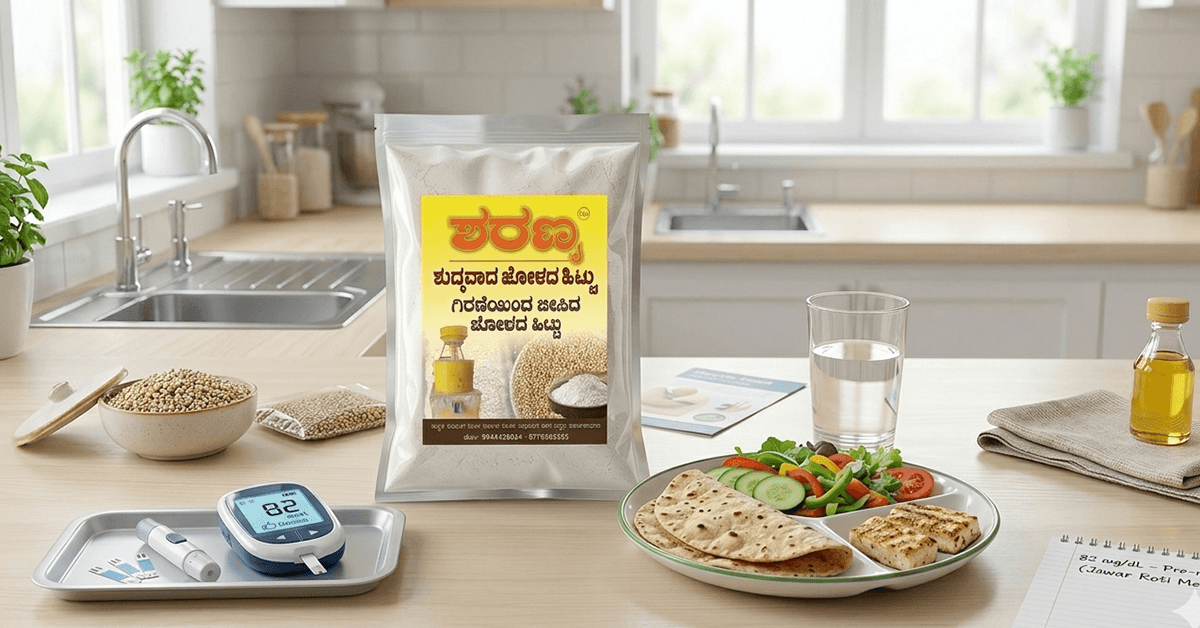
Managing diabetes requires careful attention to diet, especially when it comes to carbohydrates. The type of flour you choose can significantly impact blood sugar levels. While refined flours can cause sudden spikes, healthier alternatives like jowar atta (sorghum flour) offer a better solution.
Jowar atta is a traditional Indian grain that is gaining popularity among health-conscious individuals and diabetics alike. Its rich nutritional profile, low glycemic index, and high fiber content make it a smart and sustainable choice for daily meals.
A Better Flour Choice Can Change Everything
When managing diabetes, most people focus on cutting sugar—but often overlook a bigger culprit: refined carbohydrates, especially in daily staples like roti and chapati.
Wheat flour (especially refined versions) can cause rapid spikes in blood sugar. Over time, these spikes make diabetes harder to manage. That’s where traditional grains like jowar atta step in—not as a trend, but as a time-tested solution.
Jowar, or sorghum, has been a part of Indian diets for centuries. Today, it’s being rediscovered as a powerful ally for people dealing with blood sugar issues. But what makes it so effective?
The Science Behind Jowar and Blood Sugar
At the core of diabetes management is one simple principle: control how quickly glucose enters the bloodstream.
Jowar atta works differently from refined flours. Instead of breaking down rapidly, it digests slowly—thanks to its complex carbohydrate structure and fiber content. This slow digestion ensures that glucose is released gradually, helping avoid sudden spikes.
Unlike maida or overly processed wheat, jowar supports a more stable metabolic response, which is exactly what diabetics need.
Low Glycemic Impact: The Real Game Changer
Not all carbohydrates behave the same way in your body. Some act like a quick burst of fuel, while others provide slow, steady energy.
Jowar belongs to the second category. Its low glycemic impact means:
- Blood sugar rises gradually, not suddenly
- Insulin demand is reduced
- Energy levels stay consistent throughout the day
For someone managing diabetes, this is not just beneficial—it’s essential. It reduces the strain on the body and helps maintain better long-term control.
Fiber: The Unsung Hero in Diabetes Diet
One of the biggest strengths of jowar atta is its high dietary fiber content. And when it comes to diabetes, fiber is your best friend.
Here’s why:
- It slows down digestion and glucose absorption
- It improves gut health, which is linked to metabolic health
- It helps you feel full longer, reducing overeating
Many people with diabetes struggle with frequent hunger or cravings. Jowar-based meals tend to be more satisfying, which naturally supports portion control without feeling restrictive.
Beyond Sugar Control: Supporting the Whole Body
Diabetes is not just about blood sugar—it affects multiple systems in the body. A good diet should support overall health, not just glucose levels.
Jowar atta brings additional benefits:
- Magnesium helps regulate insulin activity
- Antioxidants reduce inflammation
- Iron supports energy and prevents fatigue
This makes jowar a more complete nutritional choice compared to refined flours that offer little beyond calories.
Weight Management Becomes Easier
There is a strong connection between weight and diabetes management. Even small improvements in weight can significantly improve insulin sensitivity.
Jowar atta supports this in a natural way:
- Keeps you full for longer periods
- Reduces unnecessary snacking
- Prevents energy crashes that lead to overeating
Instead of forcing strict diets, simply switching your flour can create a sustainable path toward better weight control.
A Gentler Option for Digestion
Many people don’t realize that digestive health plays a role in blood sugar regulation. Poor digestion can lead to inflammation and metabolic imbalance.
Jowar atta is:
- Naturally gluten-free
- Easier on the gut
- Less likely to cause bloating compared to refined wheat
For individuals who feel heavy or sluggish after meals, switching to jowar can make a noticeable difference in how they feel daily.
Traditional Wisdom Meets Modern Nutrition
Long before modern diet plans, Indian households relied on grains like jowar, bajra, and ragi. These were not just cultural choices—they were practical and health-focused.
In regions like North Karnataka and Maharashtra, jowar roti has been a staple for generations. Interestingly, lifestyle diseases like diabetes were far less common in those traditional eating patterns.
Today, nutrition science is validating what tradition already knew: whole grains like jowar are better suited for long-term health.
How Jowar Atta Fits into a Diabetic Diet
Switching to jowar doesn’t mean completely changing your eating habits. It’s actually quite simple to incorporate.
Here are some easy ways:
- Replace regular chapati with jowar roti for lunch or dinner
- Mix jowar atta with wheat flour initially for a smoother transition
- Try jowar-based breakfast options like dosa or porridge
- Use it in multigrain combinations for variety
The key is consistency, not perfection. Even partial replacement can bring noticeable benefits over time.
Common Mistakes to Avoid
While jowar atta is highly beneficial, how you use it matters just as much.
Avoid these common mistakes:
- Pairing jowar meals with high-sugar foods
- Overeating just because it’s “healthy”
- Ignoring overall diet balance (protein, vegetables, etc.)
Remember, jowar is a powerful tool—but it works best as part of a balanced lifestyle.
Who Should Consider Switching to Jowar Atta?
Jowar atta is especially beneficial for:
- People diagnosed with diabetes
- Individuals with prediabetes
- Those trying to manage weight
- Anyone looking to reduce refined flour intake
Even if you are not diabetic, incorporating jowar can help prevent future health issues.
A Practical Step Toward Better Health
Managing diabetes doesn’t always require drastic changes. Sometimes, small daily choices create the biggest impact.
Switching from refined flour to jowar atta is one such step. It doesn’t demand giving up your favorite foods—it simply makes them healthier.
Over time, these small improvements can lead to:
- Better blood sugar control
- Improved energy levels
- Reduced dependency on strict dietary restrictions
Conclusion
Jowar atta stands out as one of the most practical and effective flour choices for diabetics. Its ability to regulate blood sugar, improve digestion, and support overall health makes it more than just a traditional grain—it’s a smart modern solution.
Instead of relying on extreme diets or complicated plans, incorporating jowar into your daily meals offers a sustainable and natural way to manage diabetes.
Sometimes, the best solutions are not new—they’re simply rediscovered. And jowar atta is a perfect example of that.


