

How Natural Oils Like Safflower Oil Help Reduce Cholesterol Naturally

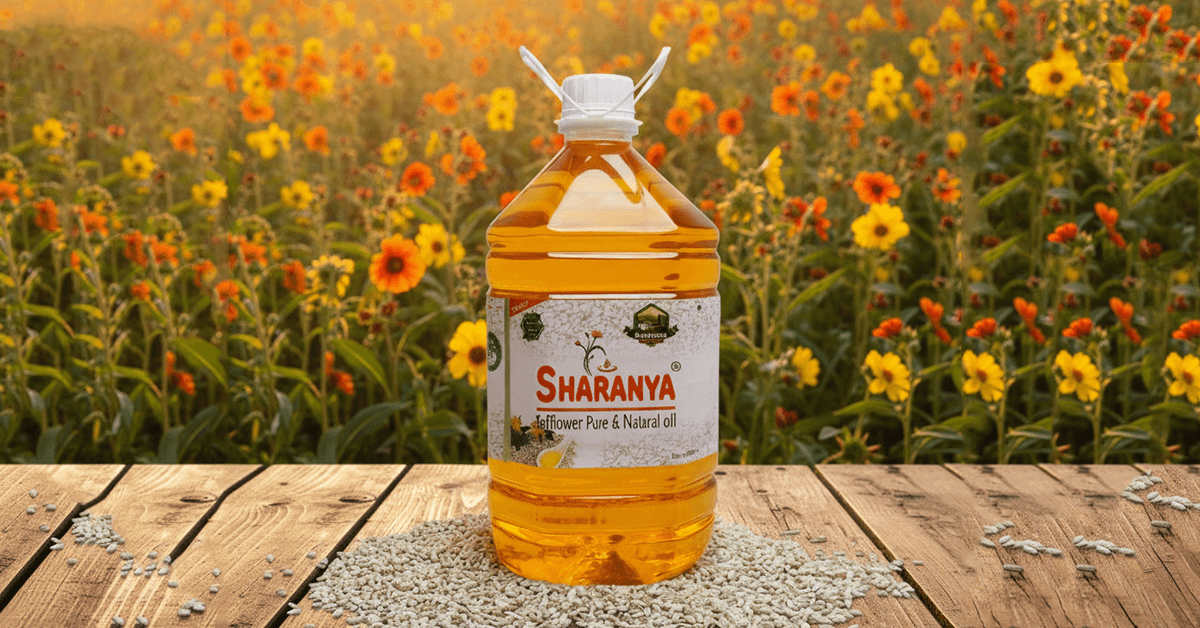
Maintaining healthy cholesterol levels is essential for overall heart health and long-term well-being. In today’s fast-paced lifestyle, dietary habits often include highly processed foods and refined cooking oils, which may negatively impact cholesterol balance. As awareness about natural nutrition continues to grow, many people are turning toward minimally processed oils like safflower oil as a better alternative for everyday cooking.
Natural oils are valued for their ability to retain essential nutrients and healthy fats that support bodily functions. Among these, safflower oil has gained attention for its light texture, mild flavor, and heart-friendly properties. Including such oils in a balanced diet can play a supportive role in managing cholesterol levels naturally, without relying solely on restrictive diets.
Let’s explore how safflower oil contributes to better cholesterol management and overall cardiovascular health.
Natural Extraction Preserves Healthy Compounds
Safflower oil obtained through gentle extraction methods avoids excessive heat and harsh chemical processing. This helps preserve naturally occurring compounds that are beneficial for the body. These include plant sterols, antioxidants, and essential fatty acids.
Plant sterols are known for their ability to support cholesterol regulation by reducing the absorption of cholesterol in the digestive system. Antioxidants help protect cells from damage, while healthy fats play a crucial role in maintaining normal body functions.
When these compounds remain intact, the oil provides more nutritional value compared to heavily processed alternatives. This makes safflower oil a practical choice for those looking to improve their diet in a natural and sustainable way.
Helps Maintain the Balance of Good and Bad Cholesterol
The human body requires a healthy balance between high-density lipoprotein (HDL), often referred to as “good cholesterol,” and low-density lipoprotein (LDL), known as “bad cholesterol.” An imbalance—especially high levels of LDL—can increase the risk of heart-related concerns.
Safflower oil contains a significant amount of unsaturated fats, including both monounsaturated and polyunsaturated fatty acids. These fats are known to support healthy cholesterol levels when they replace saturated fats in the diet.
Rather than increasing harmful cholesterol, these healthy fats may help reduce LDL levels while supporting HDL levels. This balance is essential for maintaining cardiovascular health and reducing long-term risks.
Incorporating safflower oil into daily meals can therefore be a simple dietary adjustment that contributes to better cholesterol management over time.
Supports Healthy Blood Circulation
Healthy blood circulation is closely linked to cholesterol levels and heart function. When cholesterol builds up in the arteries, it can restrict blood flow and place additional strain on the heart.
Safflower oil contains nutrients that help maintain the flexibility and health of blood vessels. Flexible blood vessels allow smoother blood flow, which supports efficient oxygen and nutrient delivery throughout the body.
Improved circulation also helps reduce the likelihood of plaque buildup in the arteries. Over time, this can contribute to better heart health and a reduced risk of complications associated with high cholesterol.
By supporting vascular health, safflower oil plays an indirect yet important role in maintaining overall cardiovascular function.
Provides Natural Antioxidant Protection
One of the key benefits of safflower oil is its content of natural antioxidants, particularly vitamin E. Antioxidants are essential for protecting the body from oxidative stress caused by free radicals.
Oxidative stress can damage cells and contribute to the oxidation of LDL cholesterol, which is considered more harmful to the body. Oxidized LDL is more likely to stick to artery walls and form plaque, increasing the risk of heart issues.
By helping to neutralize free radicals, antioxidants in safflower oil support the body’s natural defense systems. This not only promotes cellular health but also plays a role in maintaining healthier cholesterol levels.
Regular consumption of antioxidant-rich foods and oils can therefore be an important part of a heart-conscious lifestyle.
Encourages a More Natural Diet
Switching to oils like safflower oil often leads to broader dietary improvements. People who choose natural oils are more likely to focus on whole, minimally processed foods in their daily meals.
Meals prepared with natural ingredients tend to contain fewer trans fats, artificial additives, and unhealthy components that can negatively impact cholesterol levels. This shift toward cleaner eating habits can have a cumulative positive effect on overall health.
Additionally, safflower oil’s mild flavor makes it easy to incorporate into a variety of dishes without altering their taste. This encourages consistent use and helps maintain healthier cooking practices over time.
Adopting a more natural diet does not require drastic changes—it can begin with simple choices like selecting better cooking oils.
Supports a Balanced Lifestyle
While no single ingredient can completely control cholesterol levels, small and consistent dietary choices can make a meaningful difference. Safflower oil can be a supportive part of a broader lifestyle that includes balanced nutrition, regular physical activity, and mindful eating habits.
A heart-friendly lifestyle typically includes:
- Eating a variety of fruits, vegetables, whole grains, and healthy fats
- Limiting processed and high-saturated-fat foods
- Staying physically active
- Managing stress effectively
When safflower oil is used as part of such a lifestyle, it contributes to long-term wellness rather than acting as a standalone solution.
This holistic approach is often more sustainable and effective for maintaining healthy cholesterol levels.
Easy to Incorporate into Daily Cooking
One of the advantages of safflower oil is how easily it fits into everyday cooking routines. Its light texture and neutral taste make it suitable for a wide range of dishes.
It can be used for:
- Sautéing vegetables
- Preparing curries and stir-fries
- Making salad dressings and marinades
- Light frying and baking
Because it does not overpower flavors, it blends well with both traditional and modern recipes. This versatility makes it easier for individuals and families to adopt healthier cooking habits without compromising on taste.
Popular Natural Oils Used in Cooking
Different natural oils offer unique nutritional benefits. Some commonly used options include:
- Safflower Oil – Known for its light texture and heart-friendly fats
- Groundnut Oil – Often used for everyday cooking due to its mild flavor.
- Sesame Oil – Known for its rich taste and natural antioxidant properties.
- Coconut Oil – Popular in many traditional recipes and wellness practices.
- Mustard Oil – Widely used in regional cuisines for its strong flavor and health-supporting nutrients.
Using a variety of these oils can provide diverse nutritional benefits.
Final Thoughts
Managing cholesterol naturally is not about eliminating all fats, but about choosing the right kinds of fats and maintaining a balanced lifestyle. Safflower oil stands out as a practical and accessible option for those looking to make healthier dietary choices.
Its combination of unsaturated fats, antioxidants, and naturally occurring compounds supports heart health and helps maintain healthy cholesterol levels over time. When combined with a nutritious diet and active lifestyle, it can contribute to long-term well-being.
Making small, consistent changes—such as switching to better cooking oils—can have a lasting impact. Safflower oil offers a simple yet effective way to move toward a healthier and more balanced approach to everyday living.


