

Jowar Roti for Diabetes: How Sorghum Helps Control Blood Sugar Levels Naturally

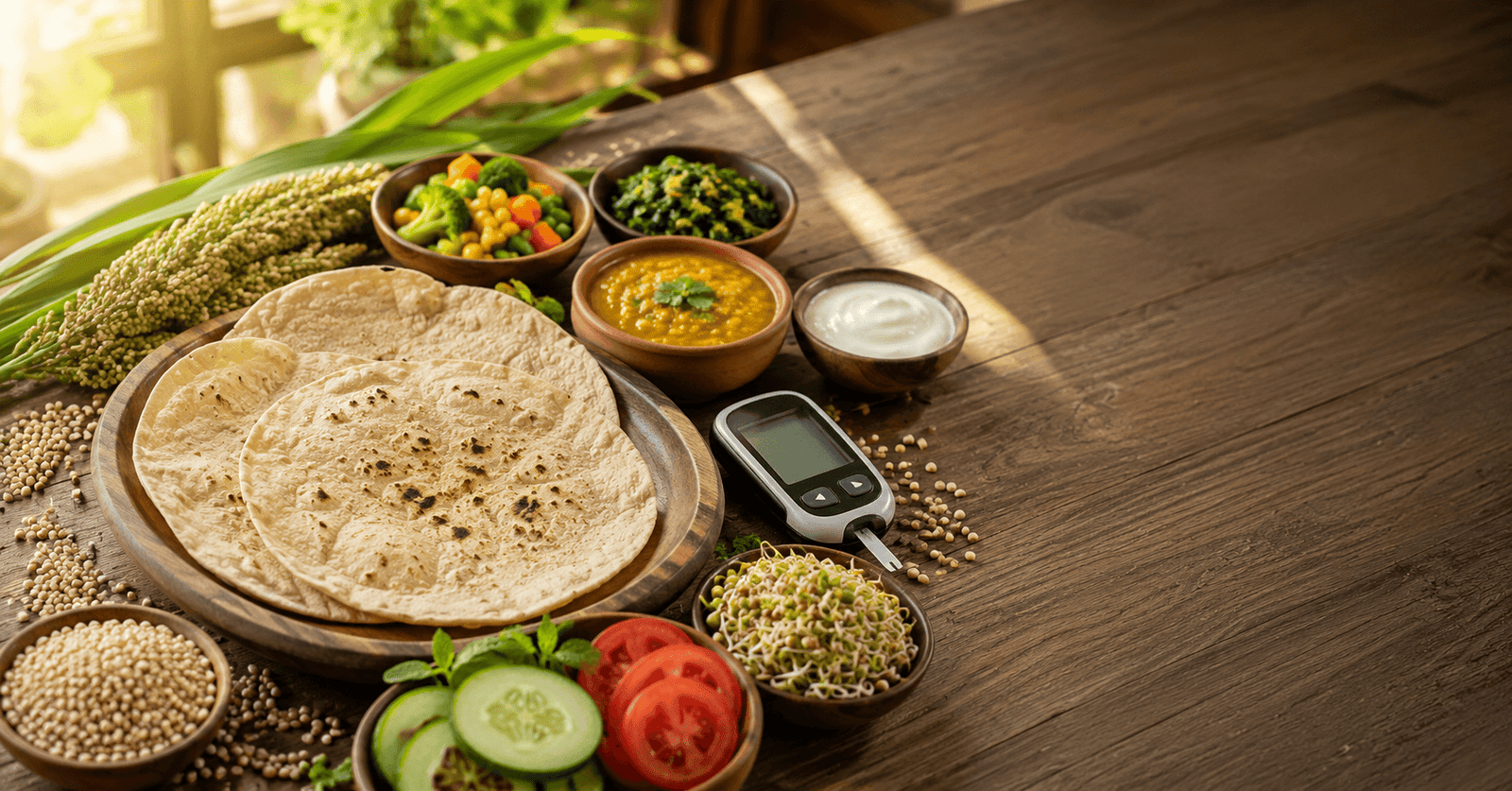
Jowar Roti for Diabetes: How Sorghum Helps Control Blood Sugar Levels Naturally
If you or someone in your family is managing diabetes, you've probably heard the same advice a hundred times: watch your carbs, especially your roti. It's frustrating, because roti is central to almost every Indian meal. The good news is that switching your flour — not giving up roti altogether — can make a real difference.
Jowar (sorghum) has quietly become one of the most recommended grains for diabetics, and unlike a lot of health trends, this one actually holds up under scientific scrutiny. Here's what's really going on inside your body when you swap wheat roti for jowar roti, and why it matters for blood sugar control.
Why Regular Wheat Roti Is Hard on Blood Sugar
Wheat flour, especially refined maida, digests fast. Fast digestion means the starches break down into glucose quickly, sending blood sugar levels up in a sharp spike shortly after your meal. The body then scrambles to release insulin to bring things back down, and often overshoots, leaving you with a crash an hour or two later. Do this three times a day, every day, and you're putting consistent strain on your pancreas and insulin response.
Jowar interrupts this cycle in several distinct ways.

The Science Behind Sorghum's Blood Sugar Benefits
- A slower carbohydrate release : Jowar has a lower glycemic index than both wheat and rice. Instead of flooding your bloodstream with glucose all at once, it releases sugar gradually — which means fewer spikes and fewer crashes.
- Fiber that acts like a buffer : Jowar is high in both soluble and insoluble fiber. The soluble fraction forms a gel in your gut that physically slows down how fast carbohydrates get broken into glucose and absorbed. Think of it as a speed bump for sugar entering your bloodstream.
- Resistant starch that barely counts as a carb : A portion of the starch in sorghum resists digestion in the small intestine entirely. It behaves more like fiber than sugar, meaning it has a far smaller effect on blood
- Better insulin sensitivity over time : Sorghum bran contains polyphenols and antioxidants that research links to improved insulin sensitivity. Over time, this can mean your body needs to work less hard to keep blood sugar in a healthy range.
- A mineral your pancreas actually needs : Jowar is a good natural source of magnesium, a mineral directly tied to glucose metabolism. Low magnesium levels have been associated with a higher risk of type 2 diabetes, so getting more of it through food is a quiet but meaningful advantage.
It's Not Just About Sugar — Other Ways Jowar Helps
|
Benefit |
Why it matters for diabetics |
|---|---|
|
Naturally gluten-free |
Easier digestion, especially for those with gluten sensitivity |
|
Keeps you full longer |
Reduces snacking and supports healthy weight, a key diabetes factor |
|
Steady energy release |
Fewer energy crashes between meals |
|
Rich in antioxidants |
Helps reduce inflammation linked to insulin resistance |
Weight is worth calling out separately — abdominal fat is one of the biggest drivers of insulin resistance, and because jowar roti digests slowly and keeps you fuller for longer, it naturally supports better portion control without you having to think about it too hard.
But Does the Quality of Flour Actually Matter?
Yes — more than most people realize. A lot of jowar flour available in stores is highly processed, stripped of bran, and sometimes blended with other starches to cut costs. When that happens, you lose much of the fiber and resistant starch that make jowar beneficial for blood sugar in the first place.
This is exactly why Sharanya Store mills its Jowar Atta fresh, using traditional stone-grinding methods that preserve the grain's natural bran and fiber content. No shortcuts, no additives — just pure sorghum, ground the way it's meant to be, so you actually get the blood-sugar benefits you're switching for.
Making the Switch Without It Feeling Like a Chore
You don't need to overhaul your entire diet overnight. A few practical starting points:
- Swap just one meal a day to jowar roti first, then build up from there.
- Serve it alongside protein and vegetables — dal, sabzi, or paneer — which slows glucose absorption even further.
- Keep an eye on portions. Jowar is diabetes-friendly, but it's still a carbohydrate, so balance is key.
- Rotate in other millets like ragi and bajra for variety — Sharanya Store carries both, so you're not stuck eating the same roti every single day.
A Quick Reality Check
Jowar roti is a genuinely useful tool for blood sugar management, but it isn't a replacement for medical care. Diabetes management still depends on your overall diet, activity levels, medication, and regular monitoring. Everyone's body responds a little differently, so it's worth tracking your own blood sugar as you introduce jowar into your routine, and looping in your doctor if you're making significant dietary changes.


