

Is Jowar Atta Good for Weight Loss? Here’s the Truth

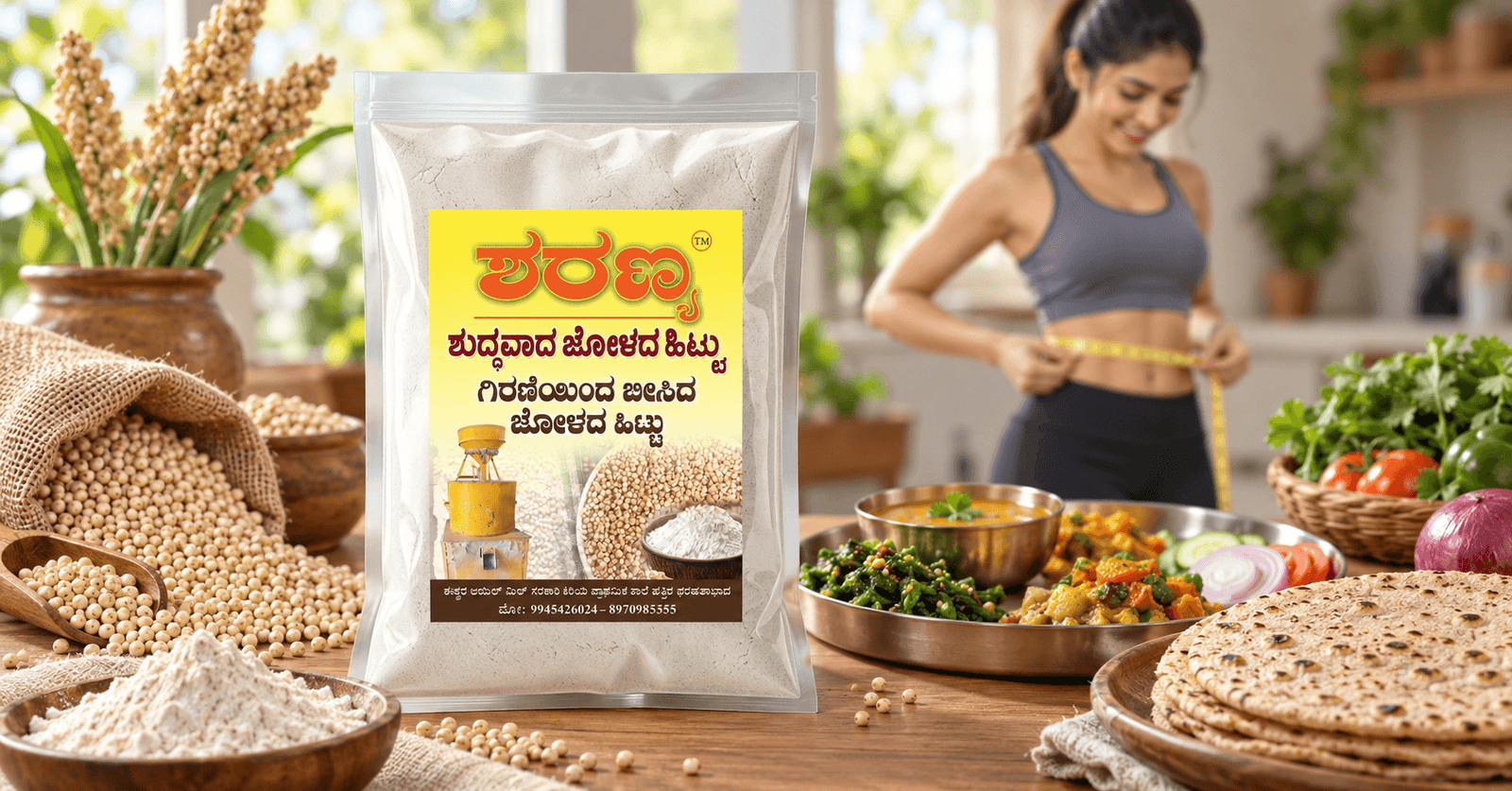
If you have been searching for a healthier flour to support your weight-loss journey, you have almost certainly come across jowar atta. Praised as a millet superfood and a smarter alternative to wheat, sorghum flour has earned a loyal following among health-conscious families. But does it actually help you shed weight, or is it just clever marketing riding the millet wave? The honest answer is nuanced — and worth understanding properly. Let us look at the real truth about jowar atta and your waistline, without the hype.
- High in Fibre, High in Fullness
The single biggest reason jowar supports weight management is its high fibre content. Fibre takes longer to digest, so a jowar-based meal keeps you feeling full for hours rather than leaving you hungry soon after. When you feel genuinely satisfied, you naturally eat smaller portions and reach for fewer snacks between meals. This gentle, appetite-controlling effect is far more sustainable than restrictive crash diets that leave you hungry, irritable, and likely to give up within a week or two.

- A Low Glycemic Index
Jowar carries a lower glycemic index than refined wheat and white rice, which means it releases its energy slowly and avoids the sharp blood-sugar spikes those refined grains cause. Those spikes — and the inevitable crashes that follow — are a hidden driver of cravings and overeating, because a sudden drop in blood sugar makes your body demand quick energy. By keeping your glucose steadier, jowar helps you stay in control of your hunger, which is genuinely half the battle in any weight-loss plan. It is the same quality that makes it excellent for diabetics, as we explain in why jowar rotti is the best choice for diabetics.
- Naturally Gluten-Free and Light
Because it contains no gluten, many people find jowar easier to digest and far less bloating than wheat-heavy meals. Feeling lighter and less sluggish after eating makes it easier to stay active, and reduced bloating simply feels better through the day. For anyone who feels heavy or tired after regular wheat rotti or bread, switching to jowar can be a pleasant relief that quietly encourages a more energetic, movement-friendly lifestyle — and movement, of course, supports weight loss.
- Nutrient-Dense, Not Just Empty Calories
Successful, lasting weight loss is not only about eating less — it is about eating well. Jowar delivers protein, iron, magnesium, and B-vitamins alongside its fibre. This matters because as you cut back on calorie-heavy, nutrient-poor foods, you still need to nourish your body properly. A well-nourished body has more energy for exercise, recovers better from activity, and is less prone to the intense cravings that come from nutritional gaps. In short, jowar helps you eat less without eating poorly.

- The Honest Truth: No Magic Flour
Here is the part responsible advice must always include: no single food, jowar included, melts away fat on its own. Jowar atta supports weight loss only as part of an overall pattern of mindful eating, portion control, and regular physical activity. If you eat large quantities of jowar rotti slathered in butter or deep-fried in excess oil, the fibre benefits will not rescue your calorie count. Balance and portion size remain the real deciding factors — jowar simply makes that balance easier to achieve.
- How to Use Jowar for Weight Loss
To get the most from jowar, replace refined grains with it rather than simply adding it on top of your existing diet. Swap white-rice or maida-based meals for jowar rotti, keep your portions sensible, and pair the rotti with plenty of vegetables and a source of lean protein such as dal or curd. Use a healthy fat like safflower oil in modest amounts and favour roasting or shallow cooking over deep-frying. For plenty of ideas beyond plain rotti, see our roundup of 5 healthy recipes you can make with jowar atta.
A Sustainable, Traditional Choice
What makes jowar special is that it is not a passing fad. It is a grain our ancestors ate for centuries while living active, largely lean lives, long before diet trends existed. Choosing it is a return to wholesome, traditional eating rather than a leap into some untested supplement or extreme regimen. That sustainability is precisely what most weight-loss journeys are missing — you can genuinely eat this way for life, not just for a punishing month, which is why the results tend to last.
Common Weight-Loss Mistakes to Avoid
Even a wholesome grain like jowar can be undone by a few common habits. The first is overloading rotti with rich, oily accompaniments — a healthy base drowned in butter or deep-fried curries quickly loses its advantage. The second is assuming that because a food is healthy, portions no longer matter; calories still count, even good ones. The third is treating jowar as a magic add-on rather than a replacement, so total intake actually rises. And the fourth is impatience: sustainable weight loss is gradual, and expecting dramatic results in days often leads people to abandon a good habit too soon. Sidestep these traps, pair your jowar rotti with sensible portions and plenty of vegetables, and the grain will quietly do its part.

The Verdict
So, is jowar atta good for weight loss? Yes — genuinely, when used wisely. Its high fibre, low glycemic index, and rich nutrition make it a powerful ally for anyone trying to eat lighter, feel fuller, and stay consistent. Make it a regular part of a balanced diet, stay active, be honest about portions, and let this ancient grain quietly support your goals. Ready to begin? Explore fresh, natural sorghum flour in our jowar atta collection today and take the first simple step.


