

Vitamin E in Your Diet: Sources & Benefits

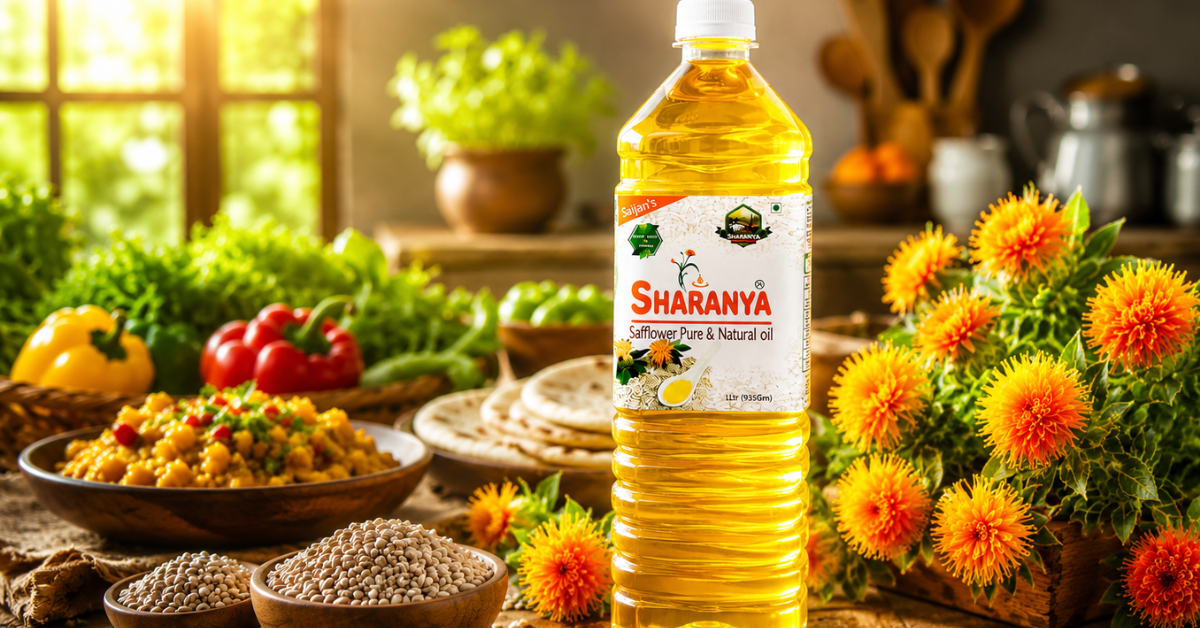
Vitamin E in Your Diet: Sources & Benefits
Vitamin E is an essential nutrient that plays a vital role in maintaining overall health and well-being. Known for its powerful antioxidant properties, Vitamin E helps protect the body’s cells from damage caused by free radicals. It supports immune function, promotes healthy skin, contributes to eye health, and plays an important role in maintaining heart health.
Since the human body cannot produce Vitamin E on its own, it must be obtained through diet. Fortunately, many natural foods contain this important nutrient, including nuts, seeds, green leafy vegetables, and healthy cooking oils. Among these sources, safflower oil (ಕುಸುಬೆ ಎಣ್ಣೆ) is recognized as one of the richest natural sources of Vitamin E, making it an excellent addition to a balanced diet.
In this article, we’ll explore the importance of Vitamin E, its major food sources, health benefits, and how incorporating safflower oil into your daily meals can help you meet your nutritional needs.
What Is Vitamin E?
Vitamin E is a fat-soluble vitamin that acts as a powerful antioxidant in the body. Antioxidants help protect cells from oxidative stress, which can contribute to aging and various health issues over time.
Vitamin E is stored in the body’s fatty tissues and liver, where it helps support numerous biological functions, including:
- Immune system support
- Skin health
- Eye health
- Heart health
- Cell protection
- Healthy aging
Because Vitamin E is fat-soluble, it is best absorbed when consumed with healthy dietary fats, making oils such as safflower oil an effective way to include this nutrient in your diet.
Safflower Oil: A Natural Source of Vitamin E
When discussing dietary sources of Vitamin E, safflower oil deserves special attention.
Extracted from safflower seeds, safflower oil is valued for its nutritional profile and versatility in the kitchen. It is naturally rich in Vitamin E, making it a convenient way to include this essential nutrient in everyday meals.
Why Choose Safflower Oil?
Safflower oil offers several advantages:
- Naturally contains Vitamin E
- Suitable for everyday cooking
- Light texture and mild flavor
- Blends well with Indian recipes
- Supports a balanced diet
- Versatile for multiple cooking methods
Because cooking oil is used daily in many households, choosing safflower oil can be a practical way to increase Vitamin E intake through regular meals.
Top Food Source of Vitamin E
Safflower oil is one of the richest plant-based sources of Vitamin E. It can be used in:
- Curries
- Stir-fries
- Vegetable dishes
- Salad dressings
- Rice preparations
- Traditional Indian recipes
Using safflower oil regularly can help support daily Vitamin E intake while enhancing the flavor of meals.
Everyday Uses of Safflower Oil for Vitamin E Intake
One of the easiest ways to increase Vitamin E intake is by incorporating safflower oil into your daily cooking routine.Safflower oil works exceptionally well in traditional Indian curries and vegetable dishes.Safflower oil’s light texture makes it suitable for preparing nutrient-rich vegetable stir-fries.
Roasted vegetables prepared with safflower oil make a delicious and healthy addition to meals.
How Safflower Oil Fits into a Healthy Lifestyle
Healthy eating is about consistency and making better choices every day.
Safflower oil fits easily into a balanced lifestyle because it can be used across a wide variety of meals. Whether you’re preparing breakfast, lunch, dinner, or snacks, safflower oil provides a convenient way to incorporate Vitamin E into your diet.
Pair safflower oil with:
- Whole grains
- Fruits
- Vegetables
- Legumes
- Nuts
- Seeds
to create balanced meals rich in nutrients.
Tips for Maximizing Vitamin E Intake
To get the most from Vitamin E-rich foods:
- Include healthy fats in your meals.
- Use safflower oil for daily cooking.
- Eat a variety of nuts and seeds.
- Add green leafy vegetables to your diet.
- Include colorful fruits and vegetables.
- Choose whole foods whenever possible.
- Maintain a balanced and diverse diet.
Consistency is key to achieving optimal nutritional benefits.
Safflower Oil: A Rich Source of Vitamin E
When discussing dietary sources of Vitamin E, safflower oil deserves special attention.
Extracted from safflower seeds, safflower oil is naturally rich in Vitamin E and has become increasingly popular among health-conscious families. Because cooking oil is used daily in many households, safflower oil offers a convenient way to include this important nutrient in everyday meals.
Unlike heavily processed ingredients, safflower oil can be easily incorporated into traditional Indian cooking without changing the taste of food.
Why Safflower Oil Is a Preferred Choice
Safflower oil offers several advantages:
- Naturally contains Vitamin E
- Suitable for daily cooking
- Mild and light flavor
- Blends well with Indian dishes
- Easy to incorporate into meals
- Versatile for multiple cooking methods
- Supports a balanced diet
- Ideal for modern and traditional recipes
Because of these qualities, safflower oil is becoming a preferred option for individuals looking to make healthier food choices.
How Safflower Oil Helps You Meet Your Daily Vitamin E Needs
Many people focus on vitamins through supplements, but obtaining nutrients from everyday foods is often the most practical approach. Since cooking oil is used in almost every meal, choosing an oil that naturally contains Vitamin E can help improve overall nutritional intake. Safflower oil is a convenient option because it can be incorporated into breakfast, lunch, dinner, and snacks without requiring major changes to your eating habits. Whether used for preparing curries, sautéing vegetables, or making homemade dressings, safflower oil provides an easy way to include Vitamin E as part of your daily diet. Consistent use of safflower oil, combined with a variety of nutrient-rich foods, can contribute to better overall wellness and help support long-term health goals.
Safflower Oil and Everyday Nutrition
Good nutrition is built on making healthy choices consistently rather than occasionally. Safflower oil fits perfectly into this philosophy because it can be used in a wide range of everyday dishes. From traditional Indian recipes to modern healthy meals, safflower oil offers flexibility without compromising taste. It works well with vegetables, legumes, whole grains, and protein-rich foods, making it easier to create balanced meals. Since Vitamin E is best absorbed alongside dietary fats, safflower oil serves as both a cooking ingredient and a nutritional contributor. Its versatility allows families to enjoy flavorful meals while supporting their daily nutrient requirements.
Why Families Are Choosing Safflower Oil
Modern consumers are increasingly looking for cooking ingredients that combine nutrition, convenience, and versatility. Safflower oil meets these expectations by providing a mild flavor that complements a variety of recipes while also serving as a source of Vitamin E. Families can use safflower oil in traditional dishes such as curries, dals, and vegetable preparations, as well as in contemporary recipes like salads and stir-fries. Because it integrates easily into daily cooking routines, safflower oil makes healthy eating more accessible. Choosing nutrient-rich ingredients such as safflower oil can help households move toward healthier dietary habits without sacrificing the foods they love.
Creating Balanced Meals with Safflower Oil
Balanced meals typically include a combination of carbohydrates, proteins, healthy fats, vitamins, and minerals. Safflower oil can contribute to this balance by providing healthy fats and Vitamin E while enhancing the flavor and texture of foods. A meal consisting of whole grains, vegetables, legumes, and safflower oil can offer a variety of nutrients that support overall wellness. By incorporating safflower oil into daily meal planning, individuals can make their diets more nutritious without making drastic changes to their eating habits. This practical approach helps ensure that healthy choices remain sustainable over the long term.
Making Vitamin E a Part of Your Daily Routine
Incorporating Vitamin E into your diet does not have to be complicated. Small, consistent choices can make a significant difference over time. Using safflower oil in daily cooking is one of the simplest ways to include this important nutrient in your meals. Since it can be used in a variety of dishes, from breakfast recipes to dinner preparations, safflower oil offers convenience and nutritional value in one ingredient. By combining safflower oil with other Vitamin E-rich foods such as almonds, sunflower seeds, spinach, and avocados, individuals can create a diet that supports overall health, energy, and well-being.


