

5 Healthy Recipes You Can Make with Jowar Atta

5 Healthy Recipes You Can Make with Jowar Atta
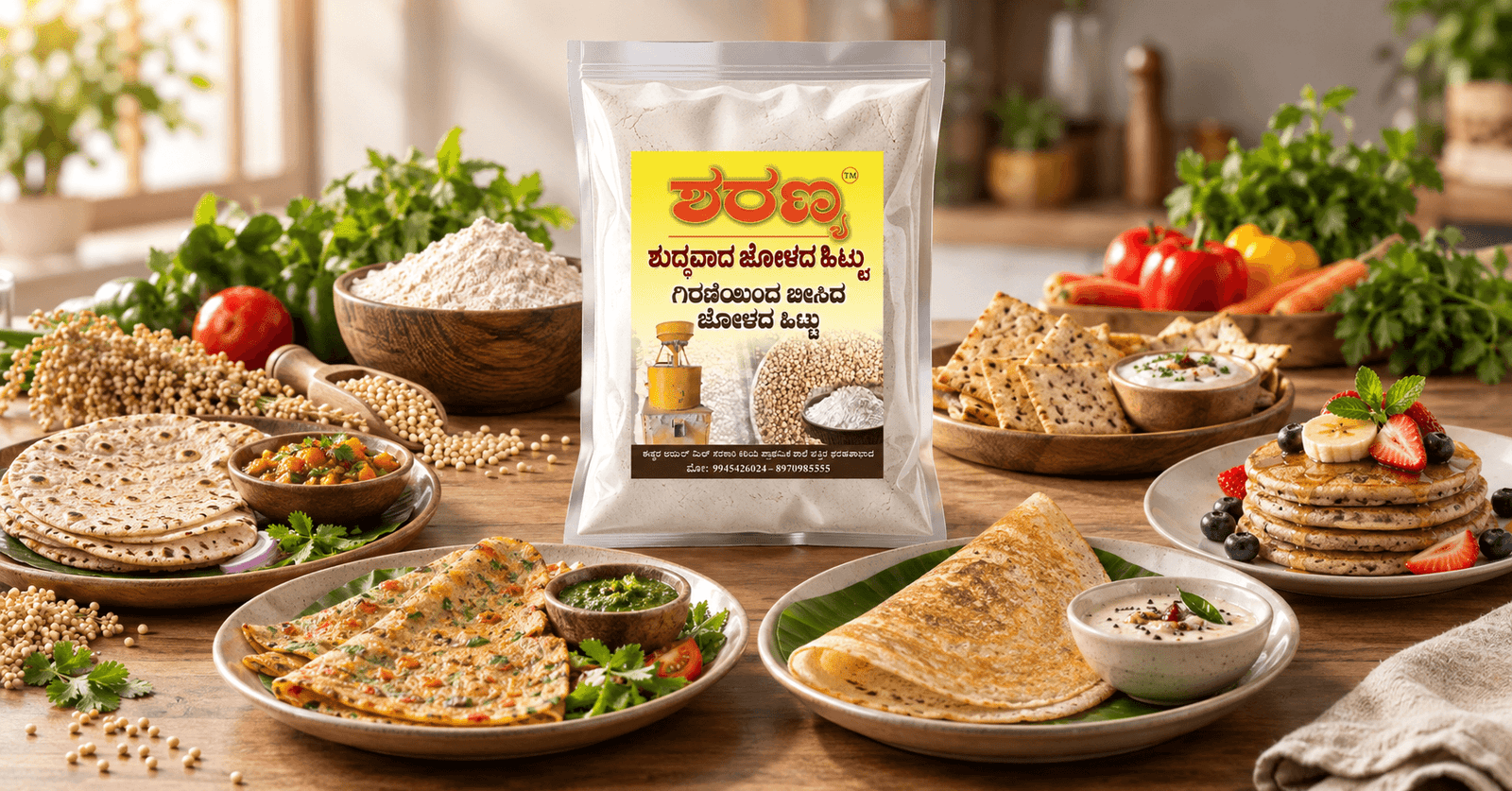
Jowar atta is one of the most versatile flours in an Indian kitchen, yet many people use it for just one thing: rotti. That is a missed opportunity. Naturally gluten-free, high in fibre, and gentle on blood sugar, sorghum flour can anchor wholesome breakfasts, satisfying snacks, hearty meals, and even sweets. With a little know-how, a single bag of jowar atta can transform your weekly menu. Here are five healthy, family-friendly recipes to help you get far more out of this ancient grain.
Understanding the ingredients behind this North Karnataka staple explains a lot about why it has survived for generations, why it's naturally gluten-free and diabetic-friendly, and why getting the recipe right depends far more on technique than on the ingredient list itself.
- Soft Jowar Rotti
The classic that started it all. To make soft rotti, mix jowar atta with hot water and a pinch of salt, kneading into a smooth, pliable dough while it is still warm. Pat each ball out gently with your palm on a flat surface or a damp cloth, then roast on a hot tawa until it puffs with steam. The secret is genuinely hot water and a light, patient hand — jowar has no gluten to stretch, so it responds to patting rather than rolling. Serve with ennegayi or chutney and a drizzle of pure safflower oil for a truly regional meal. Short on time? Our ready-made jowar rotti delivers the same soft texture with none of the effort.
- Jowar Thalipeeth
Thalipeeth is a savoury, spiced flatbread that makes a fantastic, filling breakfast. Combine jowar atta with finely chopped onion, green chillies, fresh coriander, cumin, and a little turmeric. Add water gradually to form a soft dough, then pat it directly onto a greased, warm tawa into a thick round, making a small hole in the centre so it cooks evenly. Cook on both sides with a little oil until golden and crisp at the edges. Served with a spoon of curd or a dab of butter, it is hearty, protein-friendly, and endlessly customisable with whatever vegetables you have on hand.
- Jowar Vegetable Dosa
For a lighter option that needs no fermentation, make a quick jowar dosa. Whisk jowar atta with a little rice flour, curd, water, and salt into a thin, pourable batter, then stir in grated carrot, chopped onion, and curry leaves. Pour onto a hot pan, spread it thin, and drizzle with a little oil around the edges until crisp. Because there is no overnight soaking or fermenting, these instant dosas are a brilliant last-minute breakfast or evening tiffin — light on the stomach, quick to make, and endlessly adaptable to the vegetables in your fridge.
- Jowar Flour Ladoo
Yes, jowar can be sweet too. Dry-roast jowar atta on low heat, stirring constantly, until it turns fragrant and slightly golden. Mix in melted jaggery and a spoonful of ghee or oil, then add roasted groundnuts or sesame seeds for crunch, and roll into small ladoos while the mixture is still warm and pliable. These make a nourishing, fibre-rich treat for children and a lighter dessert for festive occasions — far more wholesome than store-bought sweets loaded with refined sugar and maida, and satisfying in much smaller portions.

- Crispy Jowar Crackers
For a healthy tea-time snack, bake your own jowar crackers. Knead jowar atta with a little oil, ajwain (carom seeds), salt, and water into a stiff dough. Roll it as thin as you can, cut it into squares or rounds, prick each piece with a fork to stop it puffing, and bake until crisp and lightly browned. These crackers are a wholesome alternative to fried, packaged snacks, they keep well in an airtight jar, and they pair beautifully with an evening cup of chai — a small upgrade that quietly improves your daily snacking.
Why Cook With Jowar Atta?
Every one of these recipes carries the natural benefits of sorghum: fibre for healthy digestion, a low glycemic index for steady energy, and no gluten. It is a flour that suits almost everyone in the family — from children to elders, from those managing their weight to those keeping an eye on blood sugar. In fact, the same qualities that make it delicious make it genuinely good for you, which you can read more about in our article on why jowar rotti is the best choice for diabetics.
Tips for the Best Results
Jowar atta behaves quite differently from wheat flour, because it has no gluten to bind and stretch it. Always use warm or hot water when making dough, work with it while it is still warm, and rely on gentle patting rather than hard rolling. Freshness makes a real difference to both taste and texture, so store your jowar atta in an airtight container away from heat and moisture, and buy it in quantities you will comfortably use within a few weeks. A little practice goes a long way — your third rotti will be far better than your first.

A Note on Buying Good Jowar Atta
The success of every recipe here begins before you switch on the stove — with the quality of your flour. Freshly milled jowar atta has a clean, mildly sweet aroma and a fine, even texture, while stale flour can turn bitter and refuse to bind. Look for atta that is naturally processed and free from additives, ideally sourced close to where the grain is grown so it reaches you fresh. Buy in amounts you will finish within a few weeks rather than stocking up for months, and always store it airtight and away from moisture. Starting with genuinely fresh jowar atta is the single easiest way to make sure your rotti is soft and your snacks turn out crisp.
Start Cooking
With just one wholesome flour, you can cover breakfast, snacks, main meals, and even dessert. That is the quiet magic of jowar — humble, affordable, and astonishingly adaptable. Stock your pantry with fresh, natural sorghum flour from our jowar atta collection, or browse everything we offer on the Sharanya Store shop page, and bring the goodness of this ancient grain into your everyday cooking.


