

How the Right Cooking Oil Lowers Cholesterol oil to lower cholesterol

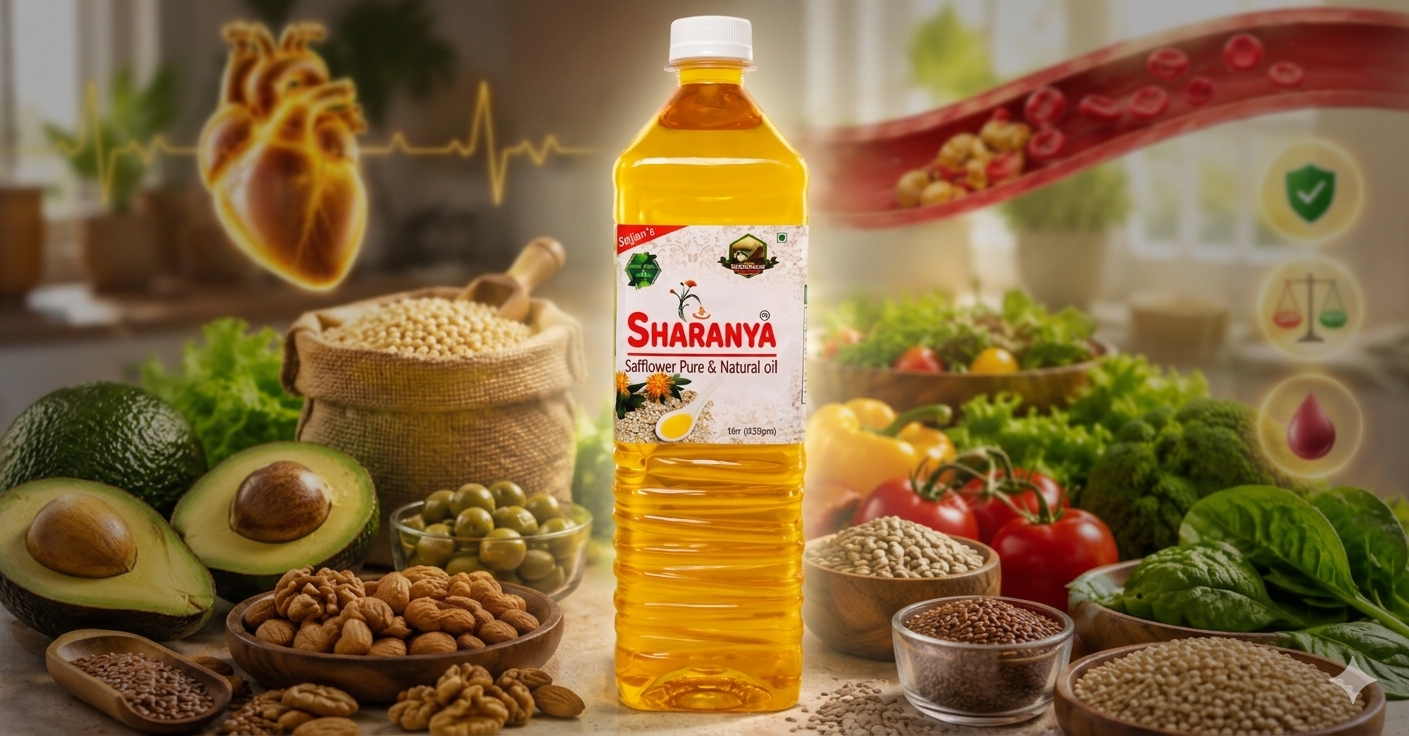
How the Right Cooking Oil Lowers Cholesterol: A Complete Guide to Heart-Healthy Cooking
Cholesterol plays an important role in our body by helping build cells and produce hormones. However, when cholesterol levels become too high, especially low-density lipoprotein (LDL) cholesterol, it can increase the risk of heart disease, stroke, and other cardiovascular problems. While many people focus on reducing fried foods and processed snacks, one often-overlooked factor is the type of cooking oil used daily.
The oil (safflower oil)you choose for cooking can significantly influence your cholesterol levels and overall heart health. Some oils are rich in unhealthy saturated and trans fats that can raise LDL cholesterol, while others contain heart-friendly unsaturated fats that help lower bad cholesterol and improve cardiovascular function.
In this article, we will explore how the right cooking oil lowers cholesterol, the best oils for heart health, and practical tips to incorporate them into your daily diet.
Understanding the Relationship Between Cooking Oil and Cholesterol
The fats present in cooking oils directly influence cholesterol levels in the body. Oils rich in saturated fats can raise LDL or “bad” cholesterol, while oils containing unsaturated fats can help lower LDL cholesterol and support healthy levels of high-density lipoprotein (HDL), often referred to as “good” cholesterol. Since cooking oil is used regularly in most households, selecting a healthier option can make a noticeable difference over time.
The Difference Between Good and Bad Cholesterol
Cholesterol is carried through the bloodstream by lipoproteins. LDL cholesterol can accumulate on artery walls, leading to plaque formation and restricted blood flow. This increases the risk of cardiovascular diseases. HDL cholesterol, on the other hand, helps remove excess cholesterol from the bloodstream and transports it to the liver for elimination. Maintaining a balance between these two types of cholesterol is essential for overall heart health.
Why Healthy Fats Matter
Healthy fats play an important role in supporting cardiovascular wellness. Monounsaturated and polyunsaturated fats are known to help lower LDL cholesterol levels when they replace saturated fats in the diet. These beneficial fats are commonly found in heart-friendly cooking oils such as safflower oil, olive oil, sunflower oil, and rice bran oil. Including these oils as part of a balanced diet can contribute to better cholesterol management and improved heart function.
The Importance of Replacing Saturated Fats
One of the most effective ways to lower cholesterol through diet is to replace saturated fats with healthier unsaturated fats. Saturated fats are commonly found in butter, ghee, and certain tropical oils. Consuming these fats in excess may increase LDL cholesterol levels. Switching to oils rich in monounsaturated and polyunsaturated fats can help improve cholesterol balance and reduce the risk of heart-related complications.
Safflower Oil: A Heart-Healthy Choice
Safflower oil is considered one of the best cooking oils for people looking to manage cholesterol levels. It is rich in unsaturated fats and contains very little saturated fat. Its high smoke point makes it suitable for various cooking methods, including frying, roasting, and sautéing.
Benefits of Safflower Oil:
- Helps lower LDL cholesterol levels.
- Rich in heart-friendly unsaturated fats.
- Supports healthy blood circulation.
- Suitable for high-temperature cooking.
- May contribute to better overall cardiovascular health.
Why Replacing Saturated Fats Matters
Many traditional fats and oils contain high amounts of saturated fat, which can contribute to elevated LDL cholesterol levels. Replacing these fats with healthier alternatives can significantly improve cholesterol balance.
Replace These:
- Butter
- Hydrogenated oils
- Excessive amounts of ghee
- Processed shortening
With These:
- Safflower oil
- Olive oil
- Sunflower oil
- Rice bran oil
How Safflower Oil Helps Lower Cholesterol
Safflower oil has gained attention as a heart-healthy cooking oil due to its high content of unsaturated fats and low levels of saturated fat. The oil contains linoleic acid, an essential omega-6 fatty acid that may support healthy cholesterol levels. By replacing oils high in saturated fat with safflower oil, individuals may experience improvements in their cholesterol profile. Safflower oil also has a high smoke point, making it suitable for various cooking methods such as frying, sautéing, and roasting.
Cooking Practices That Support Heart Health
The benefits of healthy cooking oils can be maximized by adopting better cooking habits. Avoid repeatedly heating and reusing oil, as this can lead to the formation of harmful compounds. Use moderate amounts of oil and choose cooking methods such as steaming, grilling, baking, and sautéing whenever possible. Combining healthy oils with nutrient-rich foods creates a stronger foundation for cardiovascular health.
Additional Lifestyle Changes for Better Cholesterol Control
While selecting the right cooking oil is important, it should be part of a broader healthy lifestyle. Regular physical activity helps improve HDL cholesterol levels and supports weight management. Maintaining a healthy body weight, avoiding smoking, managing stress, and limiting processed foods can further enhance cholesterol control and reduce the risk of cardiovascular disease.
Choosing the Right Cooking Oil for Your Family
Selecting the best cooking oil depends on nutritional value, cooking requirements, and personal preferences. Oils such as safflower oil, olive oil, sunflower oil, and rice bran oil offer heart-friendly benefits and can be incorporated into a variety of dishes. Rotating between different healthy oils may also help provide a broader range of nutrients while supporting overall wellness.
How the Right Cooking Oil Lowers Cholesterol
- Choosing the right cooking oil can support healthy cholesterol levels.
- Oils rich in unsaturated fats help reduce LDL (bad cholesterol).
- Healthy cooking oils may help increase HDL (good cholesterol).
- Replacing saturated fats with healthier oils can improve heart health.
- Regular use of heart-friendly oils can lower the risk of cardiovascular diseases.
- Cooking oils rich in antioxidants help protect blood vessels from damage.
- Healthy oils support better blood circulation throughout the body.
- Cholesterol-friendly oils can help reduce plaque buildup in arteries.
- Using the right oil is a simple and effective dietary change for long-term wellness.
- Oils with low saturated fat content are generally better for heart health.
- Safflower oil is known for its high concentration of unsaturated fats.
- Olive oil is a key component of the heart-healthy Mediterranean diet.
- Sunflower oil provides vitamin E, which supports cardiovascular health.
- Rice bran oil contains plant sterols that help reduce cholesterol absorption.
The Role of Healthy Fats in Heart Health
Not all fats are harmful. In fact, the body requires healthy fats for various functions, including hormone production, nutrient absorption, and energy storage. Unsaturated fats found in heart-friendly oils can help improve cholesterol levels by reducing LDL cholesterol while supporting HDL cholesterol. Including healthy fats as part of a balanced diet is essential for maintaining overall cardiovascular wellness and reducing the risk of heart-related conditions.
Helps Improve Overall Cardiovascular Function
Healthy cooking oils support more than just cholesterol management. They also contribute to overall cardiovascular function by promoting healthy blood flow, supporting flexible blood vessels, and reducing stress on the heart. A heart that functions efficiently can pump blood more effectively, helping deliver oxygen and nutrients throughout the body.
Benefits of Safflower Oil for Cholesterol Management
- High in polyunsaturated fats.
- Low in saturated fats.
- Supports healthy LDL cholesterol levels.
- Helps maintain cardiovascular health.
- Suitable for high-temperature cooking.
- Mild flavor that complements various dishes.
- Can be used for frying, roasting, and sautéing.
- Supports overall heart-friendly nutrition.
- Easy to incorporate into daily cooking.
- A healthier alternative to many traditional cooking fats.


