

How Safflower Oil Is Made: From Seed to Bottle

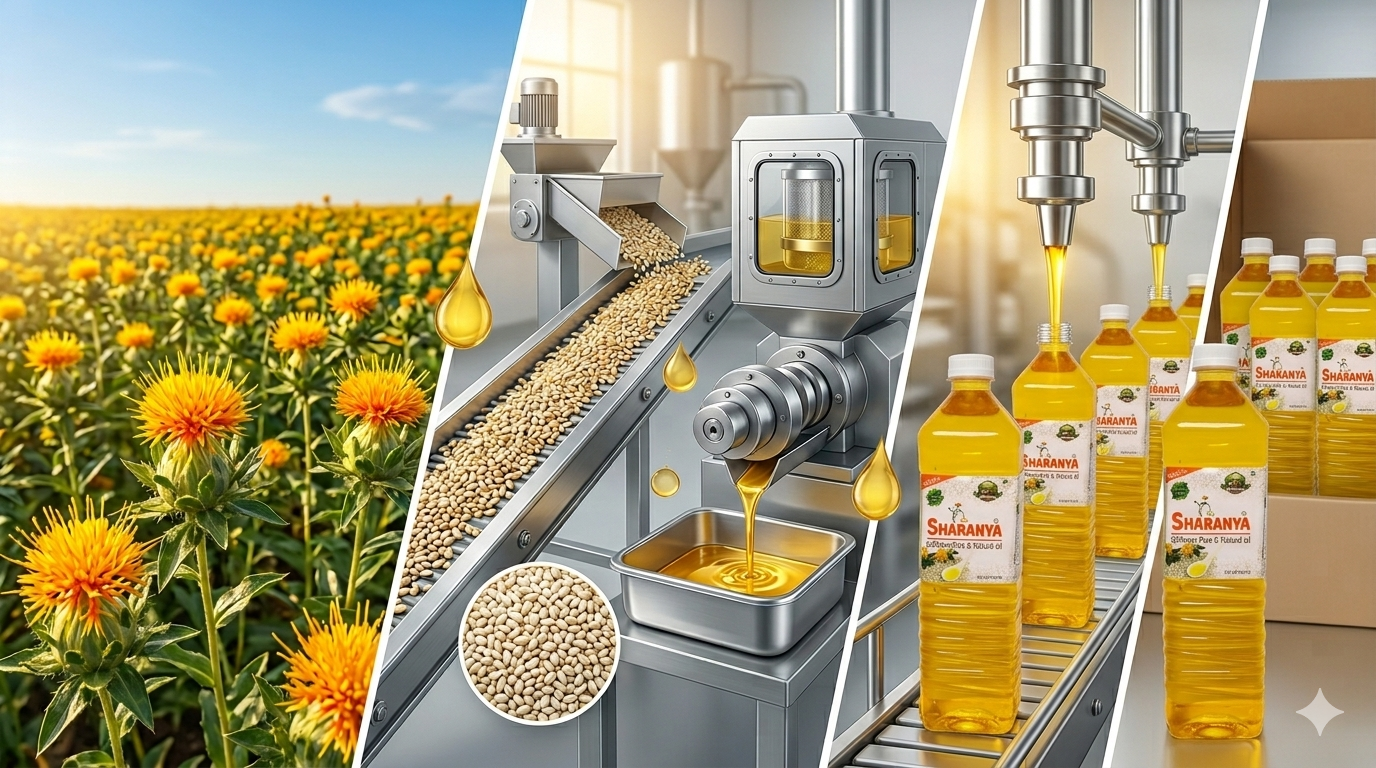
How Safflower Oil Is Made: From Seed to Bottle
Safflower oil has become a popular choice among health-conscious consumers because of its light flavor, versatility, and nutritional benefits. Extracted from the seeds of the safflower plant (Carthamus tinctorius), this golden-colored oil is widely used for cooking, baking, and food preparation. While many people enjoy the benefits of safflower oil, few know about the fascinating journey it takes before reaching store shelves. From cultivating safflower plants in the fields to bottling the final product, every stage of production is carefully managed to ensure quality and purity.
Understanding the Safflower Plant
The journey of safflower oil begins with the safflower plant, a hardy crop known for its bright yellow, orange, or red flowers. Safflower thrives in warm and dry climates, making it suitable for cultivation in regions where water resources may be limited. One of the reasons farmers favor this crop is its deep root system, which allows it to access moisture from deeper layers of soil. This characteristic makes safflower highly drought-resistant compared to many other oilseed crops.
The seeds of the safflower plant are the primary source of oil. Once the flowers mature, seeds develop inside the flower heads and gradually accumulate oil as they grow. The quality of these seeds plays a major role in determining the quality of the final oil.
Growing Safflower for Oil Production
The production process begins long before the oil extraction stage. Farmers carefully prepare their fields to create favorable conditions for safflower cultivation. The seeds are planted in well-drained soil where they receive adequate sunlight and nutrients. During the growing season, farmers monitor crop health and ensure that weeds and pests do not interfere with plant development.
As the plants grow, they develop strong stems and colorful flowers. Over time, these flowers begin producing seeds rich in oil. The growing period requires patience and attention because healthy plants produce seeds with better oil content and nutritional value. Weather conditions, soil quality, and farming practices all influence the success of the harvest.
Flowering and Seed Development
After several weeks of growth, safflower plants begin to flower.
The bright blossoms attract pollinators and contribute to seed formation. As the flowers mature, seeds develop inside the flower heads.
During this stage:
- Nutrients move into the seeds
- Oil content gradually increases
- Seeds reach full maturity
The quality of the final oil depends heavily on healthy seed development.
Cleaning and Sorting the Seeds
Before oil extraction can begin, the harvested seeds must be thoroughly cleaned.
Raw harvested seeds may contain:
- Dust
- Stones
- Plant debris
- Small sticks
- Other impurities
Removing these contaminants is essential for producing safe and high-quality oil.
Industrial cleaning equipment uses:
- Air blowers
- Sieves
- Magnetic separators
- Screening machines
These systems ensure only clean seeds enter the extraction process.
After cleaning, seeds are sorted according to:
- Size
- Weight
- Quality
Uniform seeds improve extraction efficiency and help maintain consistent oil quality.
The Importance of Harvesting at the Right Time
Harvesting is one of the most critical stages in safflower oil production. Farmers must wait until the plants reach full maturity before collecting the seeds. Mature safflower plants typically turn brown and dry, indicating that the seeds are ready for harvesting.
Modern farms often use combine harvesters to efficiently gather the crop. These machines separate the seeds from the plant material while minimizing losses. Proper timing is essential because harvesting too early can reduce oil content, while waiting too long may result in seed loss due to weather conditions or natural shedding.
After harvesting, the seeds undergo initial inspections to assess their condition. Moisture levels, cleanliness, and overall quality are evaluated before the seeds move to the next stage of processing.
Extracting Oil from Safflower Seeds
The extraction stage is where the transformation from seed to oil truly begins. Depending on the manufacturer and intended product quality, different extraction methods may be used.
Cold pressing is one of the most popular methods for producing premium safflower oil. In this process, seeds are mechanically pressed to release oil without exposing them to excessive heat. Because the temperature remains relatively low, many of the oil’s natural nutrients and antioxidants are preserved. Cold-pressed safflower oil is often favored by consumers looking for minimally processed products.
Large-scale production facilities may use a combination of mechanical pressing and solvent extraction. First, the seeds are pressed to remove a significant portion of the oil. The remaining seed material still contains some oil, which can be extracted using food-grade solvents. This approach increases overall oil recovery and helps maximize production efficiency. After extraction, any solvent residues are completely removed to ensure the oil remains safe for consumption.
Regardless of the extraction method used, the resulting product is known as crude safflower oil.
Filtering the Crude Oil
Freshly extracted safflower oil contains tiny particles, natural waxes, and other substances that must be removed before the oil can be sold. Although crude oil contains valuable nutrients, it requires additional processing to achieve the clarity and stability expected by consumers.
The oil passes through a filtration system designed to remove suspended particles and impurities. This step significantly improves the appearance of the oil while helping extend its shelf life. The filtered oil becomes cleaner and more refined, preparing it for the next stage of production.
Freshly extracted safflower oil is known as crude oil.
Although rich in nutrients, crude oil still contains:
- Fine seed particles
- Waxes
- Natural gums
- Moisture
The oil passes through specialized filters that remove suspended particles.
Benefits include:
- Improved clarity
- Better appearance
- Enhanced shelf life
Filtered oil is cleaner and more suitable for further processing.
Quality Testing and Safety Checks
Before bottling, the oil undergoes extensive quality testing.
Experts examine:
- Purity
- Fatty acid composition
- Moisture content
- Oxidation levels
- Nutritional quality
Manufacturers ensure compliance with food safety regulations and industry standards.
Regular testing guarantees:
- Consumer safety
- Product consistency
- High quality
Only oil that meets strict quality requirements proceeds to packaging.
Refining for Quality and Stability
Refining is a highly important step in commercial safflower oil production. The purpose of refining is to improve the oil’s appearance, flavor, stability, and overall quality. During this process, manufacturers remove unwanted compounds while preserving the desirable characteristics of the oil.
Several refining procedures are typically performed. Natural gums and phospholipids are removed first, followed by the elimination of excess free fatty acids. The oil is then treated to remove pigments and impurities that may affect its appearance. Finally, deodorization helps eliminate unwanted odors and flavors, resulting in a clean, neutral-tasting oil.
The refining process transforms crude safflower oil into the clear, golden product commonly found in supermarkets. The final result is an oil that remains stable during storage and performs well in a variety of cooking applications.
Quality Testing and Safety Assurance
Before safflower oil can be packaged and sold, it undergoes rigorous quality testing. Manufacturers invest heavily in laboratory analysis to ensure that the oil meets strict industry standards.
Experts examine the oil for purity, composition, freshness, and safety. They evaluate factors such as moisture content, oxidation levels, and fatty acid profiles. These tests help confirm that the oil is free from contaminants and suitable for consumer use.
Quality assurance is especially important because consumers expect consistency in every bottle they purchase. Through continuous testing and monitoring, manufacturers can maintain high standards and deliver reliable products to the market.
Bottling and Packaging the Oil
Once the oil passes quality inspections, it is ready for bottling. Modern production facilities use automated filling systems that accurately measure and fill containers while maintaining hygienic conditions. Automation helps improve efficiency and reduces the risk of contamination.
Safflower oil may be packaged in glass bottles, plastic containers, or larger commercial packaging depending on its intended use. The packaging serves an important purpose beyond convenience. It protects the oil from exposure to light, air, and environmental factors that could reduce its quality over time.
Labels are then applied to each bottle, providing important information such as nutritional facts, manufacturing dates, expiration dates, and storage recommendations. These details help consumers make informed purchasing decisions and use the product safely.
Distribution to Markets and Consumers
After packaging is complete, safflower oil begins the final stage of its journey. Bottled products are packed into cartons and transported through distribution networks to wholesalers, supermarkets, grocery stores, and online retailers.
During transportation and storage, manufacturers take steps to maintain product quality. Temperature-controlled environments and proper handling procedures help preserve freshness until the oil reaches consumers.
By the time a bottle of safflower oil arrives on a store shelf, it has traveled through numerous carefully managed stages, each contributing to the quality and safety of the final product.
Sustainability in Safflower Oil Production
Modern safflower farming and processing increasingly focus on sustainability.
Safflower cultivation offers several advantages:
- Drought tolerance
- Reduced water requirements
- Adaptability to dry climates
- Efficient land use
Many producers now implement:
- Energy-efficient equipment
- Waste reduction programs
- Recycling initiatives
- Responsible farming methods
These efforts help reduce environmental impact while maintaining product quality.
Why Quality Matters in Safflower Oil Production
Not all safflower oils are created equal. The quality of the final product depends on every stage of production, from seed selection and farming practices to extraction methods and packaging. High-quality safflower oil is typically produced using carefully selected seeds, modern processing equipment, and strict quality-control measures.
Consumers who choose reputable brands are more likely to receive oil that maintains its nutritional value, freshness, and purity. Understanding how safflower oil is produced can help shoppers recognize the importance of quality manufacturing practices when selecting cooking oils for their homes.


