

Safflower Oil in Kannada: ಕುಸುಬೆ ಎಣ್ಣೆ Benefits & Uses

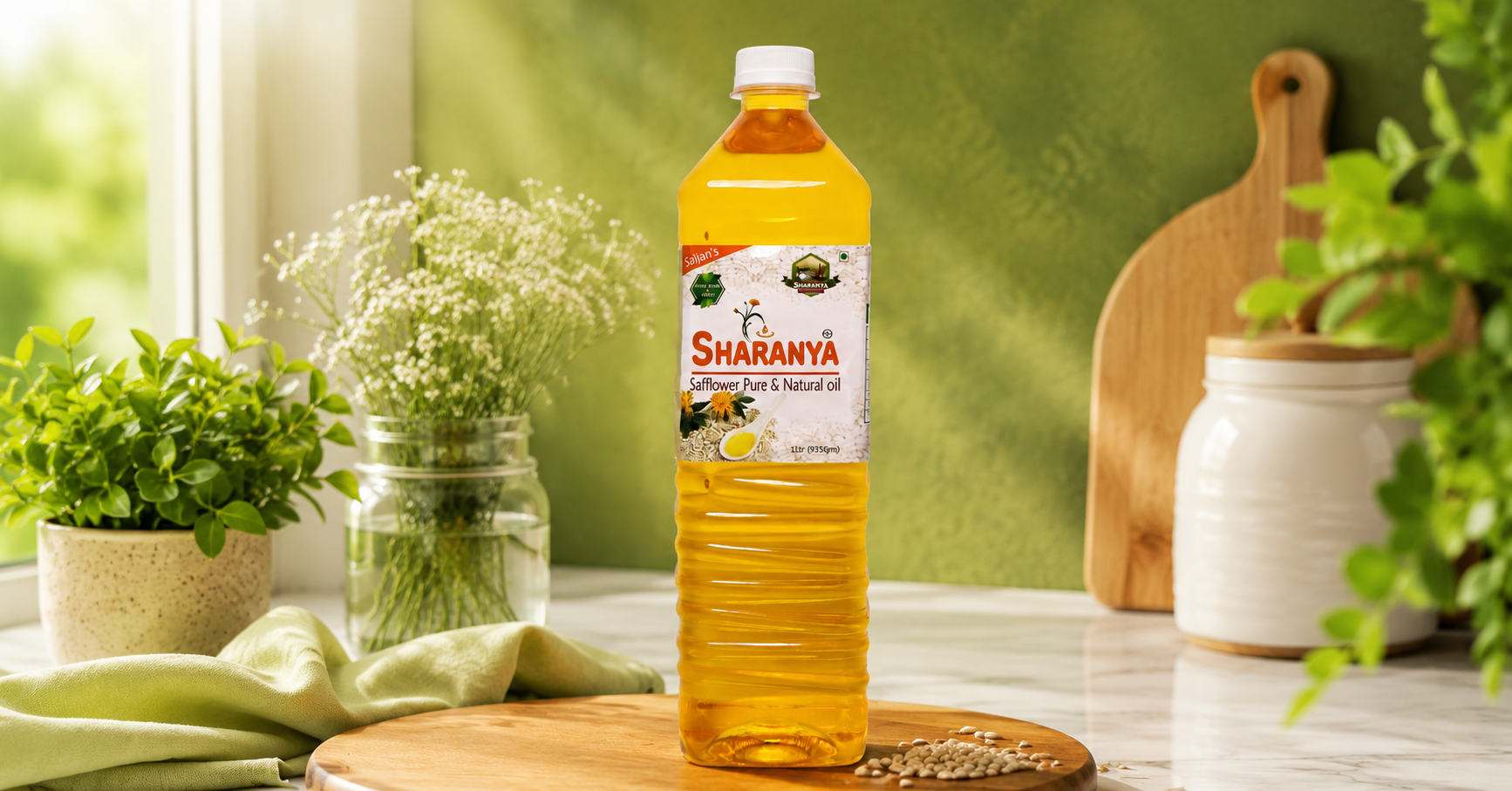
Safflower Oil in Kannada: ಕುಸುಬೆ ಎಣ್ಣೆ Benefits & Uses
Cooking oil plays a vital role in every Indian kitchen. The type of oil we choose can significantly impact our health and overall well-being. Among the many edible oils available today, safflower oil has gained attention for its nutritional value and health benefits. Known as ಕುಸುಬೆ ಎಣ್ಣೆ (Kusube Enne) in Kannada, safflower oil has been used for generations and is now becoming increasingly popular among health-conscious families.
Extracted from the seeds of the safflower plant, this light-colored oil is valued for its mild flavor, high smoke point, and heart-friendly properties. Whether used for cooking, frying, or salad dressings, safflower oil offers several advantages that make it a worthwhile addition to a balanced diet.
In this article, we will explore what safflower oil is, its nutritional profile, health benefits, and various ways it can be used in daily life.
What Is Safflower Oil (ಕುಸುಬೆ ಎಣ್ಣೆ)?
Safflower oil is an edible vegetable oil extracted from the seeds of the safflower plant (Carthamus tinctorius). The safflower plant produces bright yellow or orange flowers and is cultivated primarily for its oil-rich seeds.
In Karnataka and many parts of South India, safflower oil is commonly referred to as ಕುಸುಬೆ ಎಣ್ಣೆ. Traditionally, it has been used in cooking and is appreciated for its light texture and neutral taste.
The oil is available in different varieties depending on its fatty acid composition. Some varieties contain higher levels of monounsaturated fats, while others are rich in polyunsaturated fats. Both types are considered healthier alternatives to oils high in saturated fats.
Nutritional Value of Safflower Oil
One of the primary reasons for the growing popularity of safflower oil is its nutritional profile. It contains healthy fats that support overall wellness when consumed as part of a balanced diet.
Safflower oil contains:
- Healthy unsaturated fats
- Vitamin E
- Omega-6 fatty acids
- Antioxidants
- Essential fatty acids
These nutrients contribute to various health benefits and make safflower oil a valuable option for everyday cooking.
Why Is ಕುಸುಬೆ ಎಣ್ಣೆ Becoming Popular?
Modern consumers are becoming more aware of the connection between diet and health. As a result, many families are switching to oils that support heart health and overall wellness.
Safflower oil has gained popularity because it:
- Has a light and neutral taste
- Blends well with Indian cooking
- Supports healthy cholesterol levels
- Contains beneficial fatty acids
- Works well for high-temperature cooking
Its versatility makes it suitable for both traditional and modern recipes.
Heart Health Benefits of Safflower Oil
One of the most widely discussed benefits of safflower oil is its potential role in supporting heart health.
Unlike oils that contain high levels of saturated fats, safflower oil is rich in unsaturated fats. These healthy fats may help maintain balanced cholesterol levels when used as part of a healthy lifestyle.
A heart-friendly diet often includes oils that provide essential fatty acids without excessive saturated fat. This is one reason many nutrition-conscious households choose safflower oil for daily cooking.
By replacing less healthy fats with safflower oil, individuals may be able to make a positive contribution to their overall cardiovascular health.
Rich Source of Vitamin E
Vitamin E is a powerful antioxidant that plays an important role in protecting cells from oxidative stress.
Safflower oil naturally contains vitamin E, which supports:
- Healthy skin
- Immune function
- Cellular protection
- Overall wellness
Antioxidants help neutralize free radicals that can contribute to premature aging and various health concerns. Including vitamin E-rich foods in the diet can therefore support long-term health.
Supports Healthy Skin
Healthy skin often starts from within. The nutrients found in safflower oil may contribute to maintaining healthy-looking skin.
The essential fatty acids present in safflower oil help support the skin’s natural barrier function and may assist in maintaining moisture levels.
Many people also use safflower oil in skincare products because of its lightweight texture and moisturizing properties.
When consumed as part of a balanced diet, safflower oil can contribute to overall skin health and appearance.
Suitable for Everyday Cooking
One of the biggest advantages of safflower oil is its versatility in the kitchen.
Because of its mild flavor, it does not overpower the taste of foods. Instead, it allows the natural flavors of ingredients to shine through.
It can be used for:
- Cooking vegetables
- Preparing curries
- Making gravies
- Stir-frying
- Deep frying
- Roasting
Its adaptability makes it an excellent choice for Indian households where a variety of dishes are prepared daily.
High Smoke Point for Better Cooking
The smoke point of an oil refers to the temperature at which it begins to break down and produce smoke.
Safflower oil has a relatively high smoke point, making it suitable for high-temperature cooking methods.
This means it can be used comfortably for:
- Deep frying
- Sautéing
- Pan frying
- Stir frying
Because the oil remains stable at higher temperatures, it is often preferred by cooks who require reliable performance in the kitchen.
A Good Choice for Weight-Conscious Individuals
Many people seeking healthier eating habits look for cooking oils that fit into a balanced diet.
While no oil alone can cause weight loss, choosing oils rich in healthy fats may help support overall dietary goals.
Safflower oil can be included as part of a nutritious eating plan that also includes:
- Fruits
- Vegetables
- Whole grains
- Lean proteins
- Regular physical activity
When used in moderation, safflower oil can be a beneficial component of a healthy lifestyle.
Traditional Uses of ಕುಸುಬೆ ಎಣ್ಣೆ
In many parts of Karnataka, safflower oil has been used for generations.
Traditionally, it has been incorporated into everyday meals because of its availability and cooking properties. Families often use it in preparing:
- Rotis and chapatis
- Vegetable curries
- Rice dishes
- Snacks
- Traditional South Indian recipes
Its long history of use reflects its importance in regional culinary traditions.
Can Safflower Oil Be Used for Salads?
Yes, safflower oil can also be used in salad dressings and cold preparations.
Its mild taste makes it an excellent base for homemade dressings. It blends well with herbs, lemon juice, and spices without dominating the flavor profile.
This versatility allows it to be used beyond traditional cooking applications.
Safflower Oil and Modern Healthy Living
As awareness about nutrition continues to grow, consumers are increasingly seeking healthier cooking options.
Safflower oil aligns well with modern dietary preferences because it offers:
- Light texture
- Nutritional value
- Versatile usage
- Heart-friendly fats
- Easy incorporation into daily meals
Whether preparing traditional Indian dishes or experimenting with international recipes, safflower oil can fit seamlessly into various cooking styles.
How to Store Safflower Oil Properly
Proper storage helps maintain the freshness and quality of safflower oil.
To preserve its nutritional value:
- Keep the bottle tightly closed.
- Store in a cool and dry place.
- Avoid direct sunlight.
- Keep away from excessive heat.
Following these simple practices can help extend the oil’s shelf life and maintain its quality.
Choosing Quality Safflower Oil
When purchasing safflower oil, it is important to select products from trusted manufacturers.
Look for:
- Reputable brands
- Clear labeling
- Proper packaging
- Fresh manufacturing dates
- Quality certifications
High-quality safflower oil is more likely to retain its nutritional benefits and provide a better cooking experience.
Is Safflower Oil Suitable for Indian Cooking?
Absolutely. Safflower oil works exceptionally well in Indian kitchens because of its neutral taste and cooking stability.
It can be used for preparing:
- Sambhar
- Rasam
- Vegetable curries
- Dosas
- Rotis
- Fried snacks
- Rice preparations
Its versatility allows it to complement a wide range of regional cuisines without altering traditional flavors.


