

10 Proven Health Benefits of Safflower Oil You Should Know

10 Proven Health Benefits of Safflower Oil You Should Know
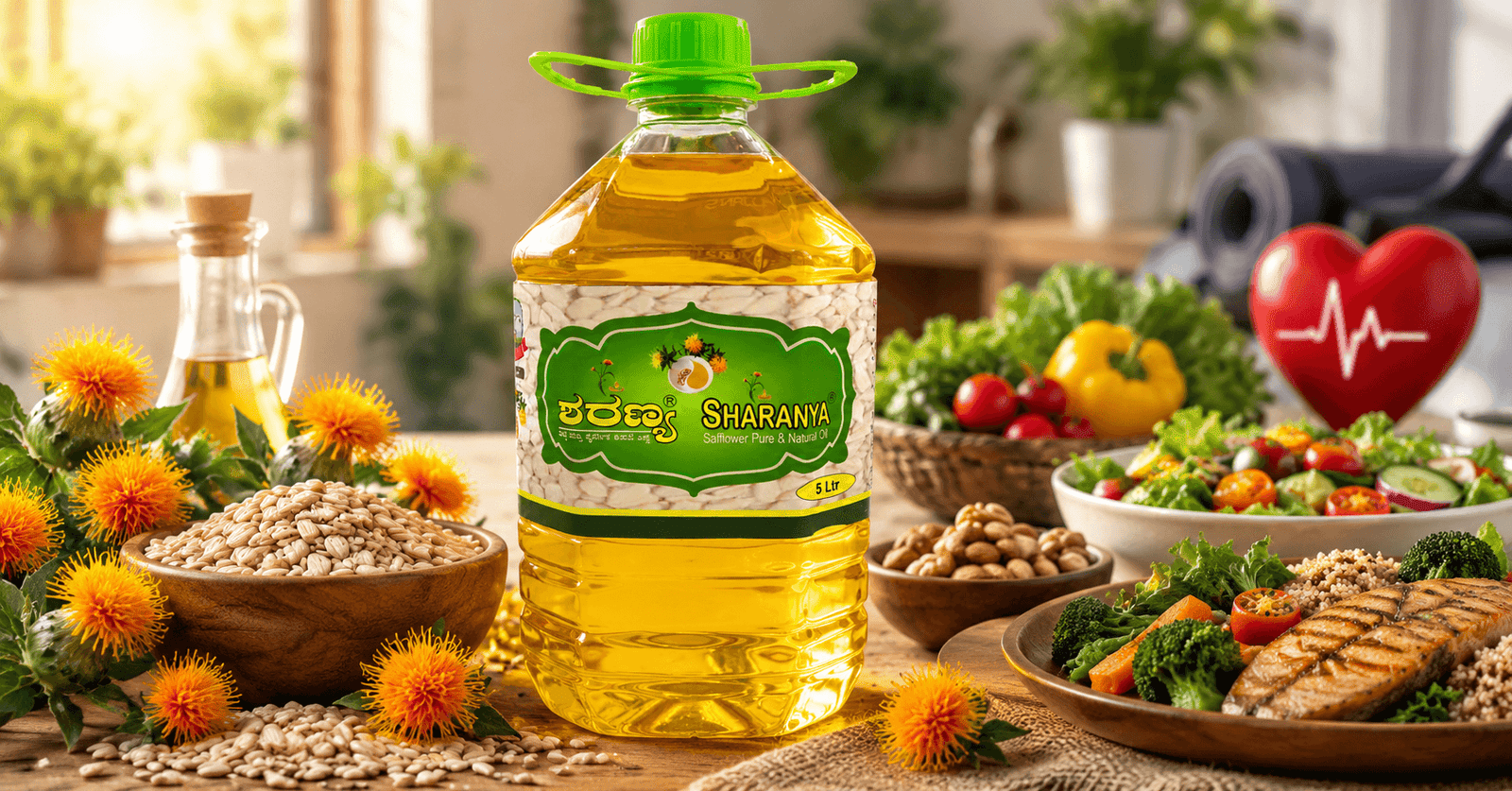
For generations, families across North Karnataka have trusted safflower oil — known lovingly as kusube oil — as their everyday cooking companion. Today, modern nutrition science is catching up with what our grandmothers already knew: this golden oil is one of the healthiest fats you can bring into your kitchen. Rich in unsaturated fatty acids and vitamin E, and light on the palate, safflower oil offers benefits that reach far beyond the frying pan. The oil you use every single day quietly shapes your long-term health, so the choice deserves real attention. If you have been reaching for heavily refined oils out of habit, here are ten well-founded reasons to switch to pure safflower cooking oil instead.
- Supports a Healthier Heart
Safflower oil is packed with unsaturated fats, particularly linoleic acid, which help maintain healthy cholesterol levels and support smooth blood flow. Diets that replace saturated fats — like vanaspati or excess ghee — with unsaturated oils are consistently linked to better cardiovascular outcomes. Because you cook with oil every day, this is a small change that compounds powerfully over the years. We explore the topic fully in our guide on why safflower oil is a heart-healthy cooking oil.
- Helps Manage Cholesterol
The polyunsaturated fats in safflower oil are known to help lower LDL ("bad") cholesterol while supporting HDL ("good") cholesterol. This balance is central to keeping arteries clear and reducing the risk of blockages over time. For families with a history of heart trouble or high cholesterol, simply switching the base cooking oil to a clean, pure safflower oil is one of the easiest, most sustainable steps you can take — no dramatic diet overhaul required.
- Promotes Glowing, Healthy Skin
Safflower oil is naturally rich in vitamin E, an antioxidant that helps protect skin cells from everyday damage and keeps skin soft and supple. Its linoleic acid content supports the skin's natural moisture barrier, helping to lock in hydration and calm dryness. Some people apply a few drops directly as a light moisturiser, while others simply enjoy the benefits of cooking with it regularly. Either way, healthy fats in the diet show up as healthier skin over time.
- May Help Balance Blood Sugar
Emerging research suggests that the healthy fats in safflower oil can support better insulin sensitivity, which is helpful for people watching their blood sugar. Fat also slows the digestion of a meal, softening the sugar spike that starchy foods can cause. Paired with a low-glycemic staple like jowar rotti, safflower oil fits neatly into a balanced, diabetic-friendly plate — though anyone managing diabetes should always follow their doctor's guidance alongside dietary changes.
- Loaded With Vitamin E
A single serving of safflower oil delivers a meaningful dose of vitamin E, one of the body's most important antioxidants. Vitamin E supports immunity, protects cells from oxidative stress, and contributes to healthy skin and eyes. In a typical Indian diet, cooking oil is used daily in almost every meal, which makes it a reliable, effortless source of this protective nutrient — you benefit simply by cooking the food you already love.
- Provides Essential Fatty Acids
Your body cannot manufacture certain fatty acids on its own — they must come from the food you eat. Safflower oil is an excellent dietary source of these essential fats, which play a role in brain function, hormone production, and the health of every cell in your body. Including a quality source of essential fatty acids in your daily cooking is a quiet form of long-term self-care that most people overlook entirely.
- A High Smoke Point for Everyday Cooking
Safflower oil has a relatively high smoke point, which means it stays stable at the temperatures used in typical Indian cooking. When an oil is heated past its smoke point it starts to break down and can form harmful compounds, so stability genuinely matters for health, not just taste. This makes safflower oil well suited to tempering, shallow frying, and preparing crisp snacks. If you cook often for a large family, a 5-litre pack offers excellent value and convenience.
- May Support Weight Management
While every oil is calorie-dense and should be used in moderation, the healthy unsaturated fats in safflower oil can be part of a sensible, weight-conscious diet. Good fats help you feel satisfied after a meal, which reduces the urge to snack on empty calories later. When you pair modest amounts of quality oil with fibre-rich foods and lean protein, you build meals that keep you full and support steady, sustainable weight goals rather than crash dieting.
- Anti-Inflammatory Potential
The fatty acids in safflower oil are believed to help the body manage inflammation. Chronic, low-grade inflammation is increasingly linked to lifestyle conditions ranging from joint pain to heart disease, so anything that gently supports a balanced inflammatory response is worth including. Filling your kitchen with wholesome, minimally processed ingredients — starting with your oil — is a simple everyday strategy for long-term wellbeing.
- Pure, Natural, and Free From Chemicals
Perhaps the biggest benefit of all is what genuinely pure safflower oil does not contain. Traditionally pressed oil is free from the harsh solvents, bleaches, and deodorisers used in heavily refined oils. When you choose oil made the old way — slowly, in a stone mill — you receive every nutrient nature intended, with nothing artificial added and nothing valuable stripped away. Purity is not a luxury here; it is the whole point.
Bringing It Home
Safflower oil is a rare example of a food that is both deeply traditional and genuinely good for you. From your heart to your skin to your blood sugar, its benefits touch nearly every part of your wellbeing, and it does so through the most ordinary act imaginable — your daily cooking. The key is to choose oil that is pure and honestly made, so those benefits arrive intact. If you are ready to make the switch, explore the full range of farm-fresh oil in our cooking oil collection, or browse everything we make on the Sharanya Store shop page. Your body — and your family's future health — will thank you for it.


