

The Cultural Roots of Jowar in Kalyana Karnataka

The Cultural Roots of Jowar in Kalyana Karnataka
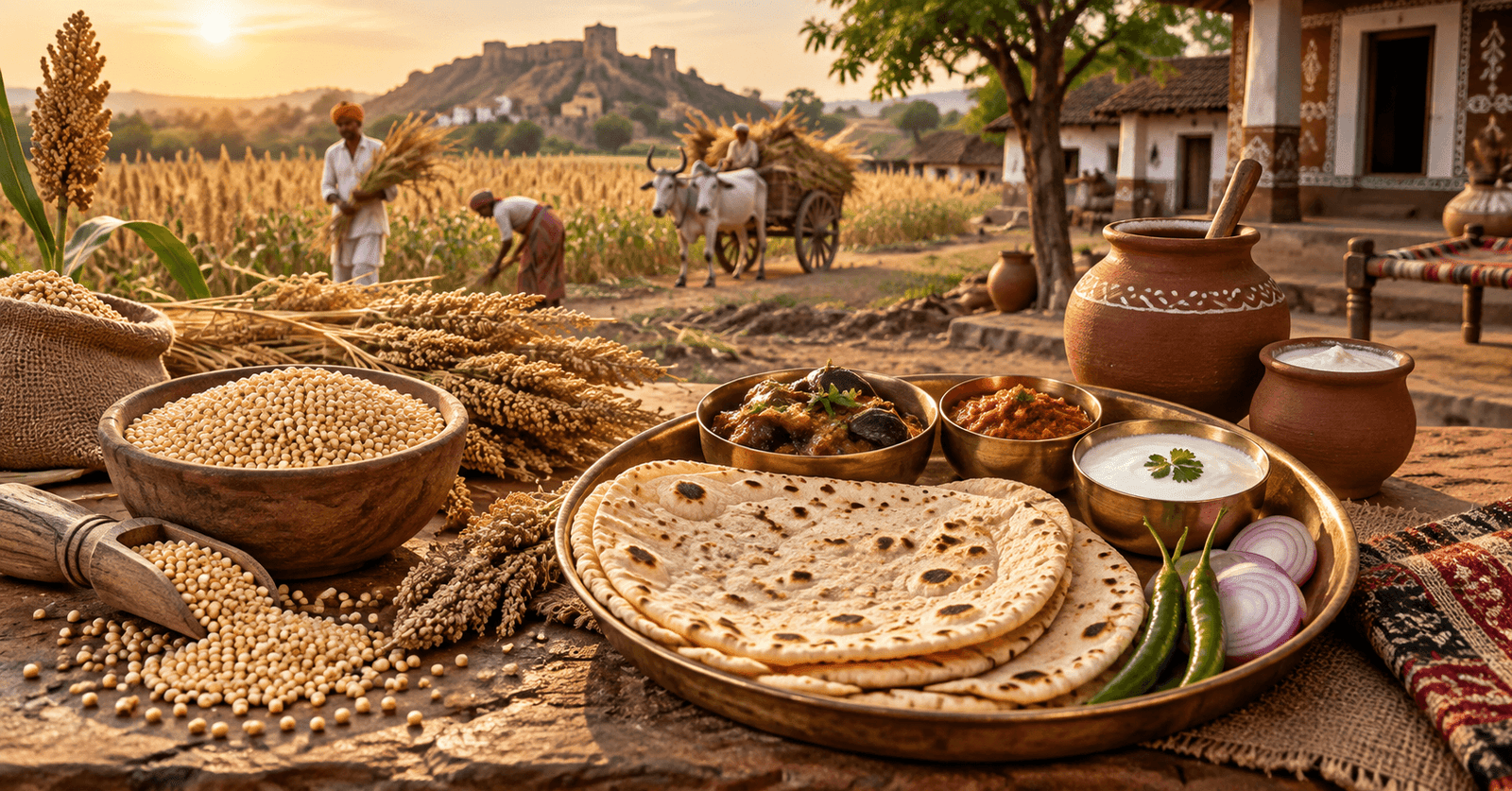
In the sun-warmed plains of Kalyana Karnataka, few foods carry as much meaning as jowar. Long before nutritionists began praising millets as superfoods, the people of this region were already growing sorghum in their fields, grinding it into flour on stone querns, and patting out rotti by hand at dawn. Jowar is not merely a crop here — it is heritage, identity, and comfort rolled into one. To understand the food of this land is to understand jowar, and to appreciate why the humble jowar rotti remains the beating heart of every North Karnataka meal.
- A Crop Shaped by the Land
Kalyana Karnataka — the region around Kalaburagi, Bidar, Yadgir, Raichur, and Ballari — is largely dry and hot, with limited and unpredictable rainfall. Where many grains would wither, jowar thrives. It needs little water, tolerates fierce sun, and rewards the farmer generously even in tough years. Over centuries, cultivators learned to read the skies and the soil, timing their sowing to the monsoon and storing a hardy grain that could carry families through lean months. In a very real sense, the land itself chose jowar — and the people, in turn, built an entire food culture around what the land would give.
- Rotti: The Heart of the Regional Plate
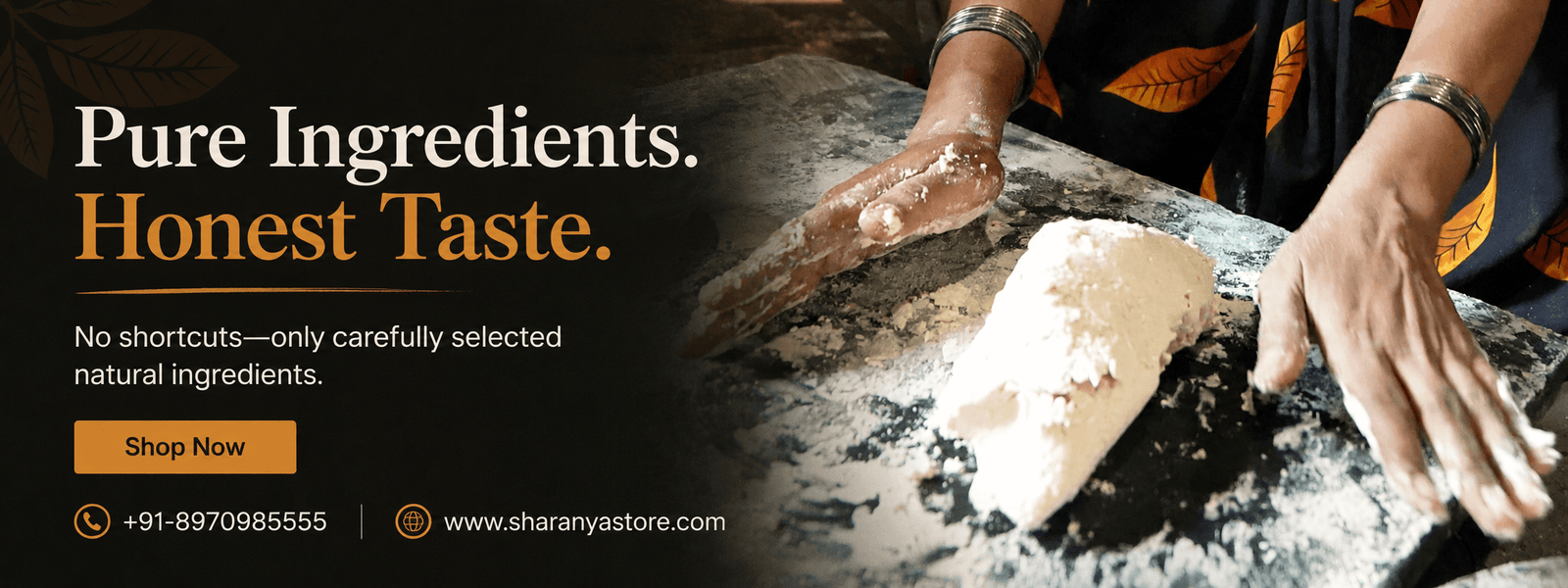
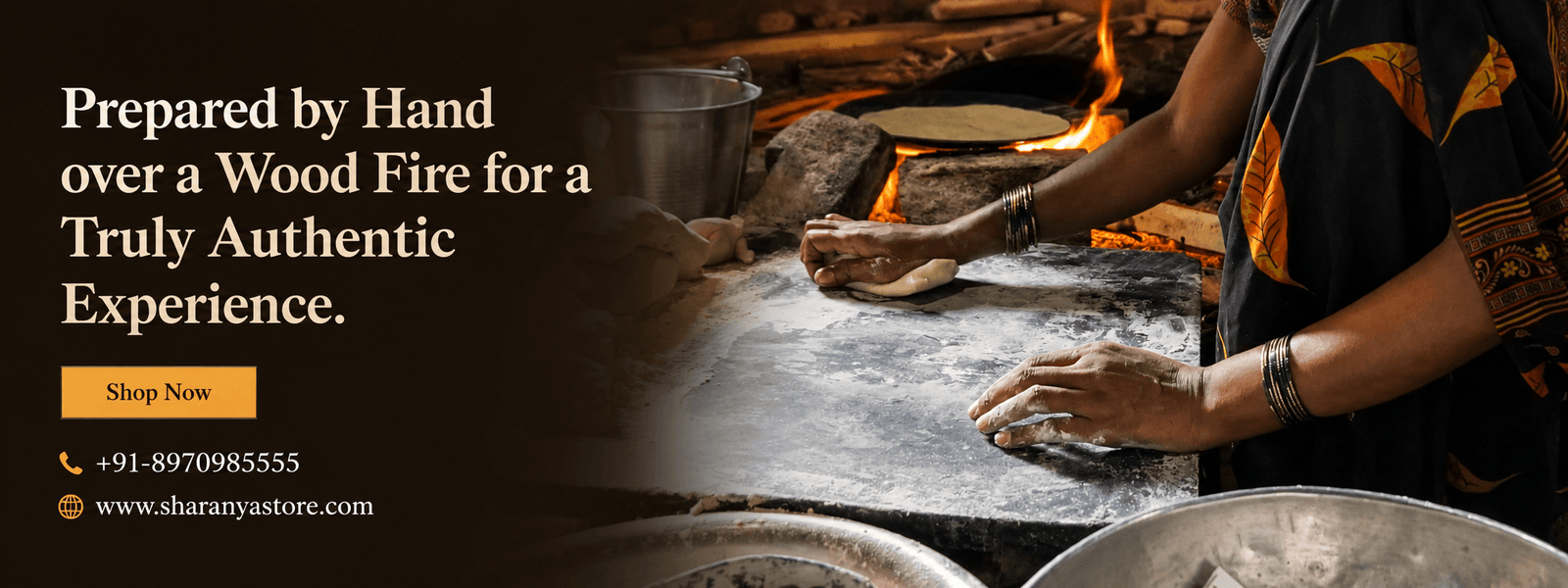
Ask anyone from the region what home tastes like, and the answer almost always includes jowar rotti. Thin, round, and roasted over an open flame until it puffs with steam, the rotti is far more than a staple — it is a daily ritual and a point of pride. Traditionally, the women of the household would rise well before sunrise to grind fresh flour and pat out rotti for everyone, a skill passed carefully from mother to daughter across generations. That same authentic taste is now available ready-made through our fresh handmade jowar rotti, carrying tradition into busy modern homes without losing an ounce of its soul.
- The Companions on the Plate
Jowar rotti never travels alone. It is served with an ensemble of bold, earthy flavours: ennegayi (stuffed brinjal curry), fiery shenga (groundnut) chutney, raw onion, green chillies, and a knob of white butter or a drizzle of pure oil. Each of these accompaniments carries its own regional story, and together they form a thali that is at once simple and deeply satisfying. This is everyday food elevated to quiet art — nourishing, affordable, and utterly unforgettable to anyone who grew up eating it. The balance of spice, fat, and grain is no accident; it is generations of wisdom on a single plate.
- Festivals, Fields, and Community
Jowar is woven into the rhythm of community life. During harvest season and festivals such as Sankranti, the grain takes centre stage in celebrations that honour the farmer, the bullock, and the soil. Sharing food made from the season's first jowar is a way of giving thanks for survival and abundance alike. These gatherings reinforce a truth that fast, modern life can make us forget: food is not just fuel but a thread that binds us to our land, our ancestors, and one another. To eat jowar in Kalyana Karnataka is to participate in a shared memory.
- From Tradition to Nutrition Science
What makes the story of jowar truly remarkable is how neatly tradition and science now agree. Sorghum is naturally gluten-free, high in fibre, rich in minerals, and carries a low glycemic index — precisely the qualities modern dietitians recommend for managing weight, blood sugar, and heart health. In other words, the grain our ancestors ate out of necessity turns out to be exactly what today's nutritionists prescribe by choice. You can read more in our companion articles on why jowar rotti is the best choice for diabetics and whether jowar atta is good for weight loss.
- A Grain of Resilience and Thrift
Beyond flavour and nutrition, jowar reflects a deeper regional value: resilience. In a land where the rains cannot be taken for granted, a crop that endures drought is a form of security. Nothing is wasted, either — the grain feeds the family, the stalks feed the cattle, and the cycle continues. This ethic of thrift and self-reliance is stitched into the culture of Kalyana Karnataka, and it is one reason the region has held on to its traditional grain even as processed convenience foods spread elsewhere.
- Keeping the Tradition Alive
As cities grow and lifestyles shift, there is a genuine risk that traditional grains slip quietly off our plates. Preserving the culture of jowar means far more than nostalgia — it means supporting local farmers, protecting regional food knowledge, and keeping a healthy, climate-friendly grain in daily use. Every time a family chooses wholesome jowar atta over heavily processed flour, they cast a small but meaningful vote for heritage and health at the same time.
- Jowar Beyond the Rotti
While rotti is the most famous face of jowar, the grain runs far deeper into the regional kitchen than a single dish. Jowar flour becomes thalipeeth for breakfast, is roasted with jaggery into simple sweets, and even appears in savoury snacks and porridges. In leaner times it stretched a family's food budget without ever feeling like a compromise, and in times of plenty it remained on the table out of sheer love for its taste. This versatility is part of why the grain never faded from the region: it could be humble everyday fare or festive fare with equal grace. For a taste of that range, see our collection of 5 healthy recipes you can make with jowar atta, which carries the same tradition into a modern kitchen.
- A Living Heritage
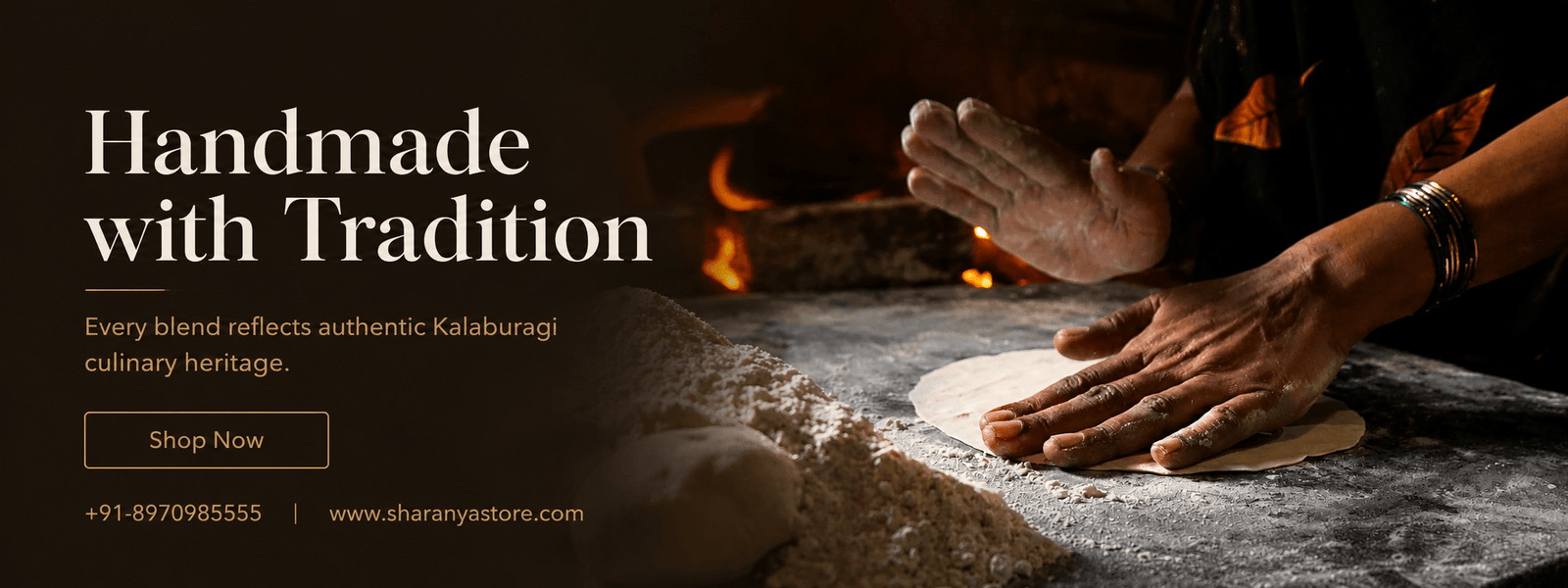
The story of jowar in Kalyana Karnataka is still being written today — in kitchens where rotti is patted out each morning, and in fields where farmers plant the next season's crop under the same demanding sun. At Sharanya Store, we are proud to carry this heritage forward, sourcing directly from the farmers who grow it and delivering the authentic taste of the region to your door. Explore our range of traditional products on the Sharanya Store shop page and taste a culture that has nourished generations, and will nourish many more.


