

How to Reduce Bad Cholesterol with Everyday Food Swaps

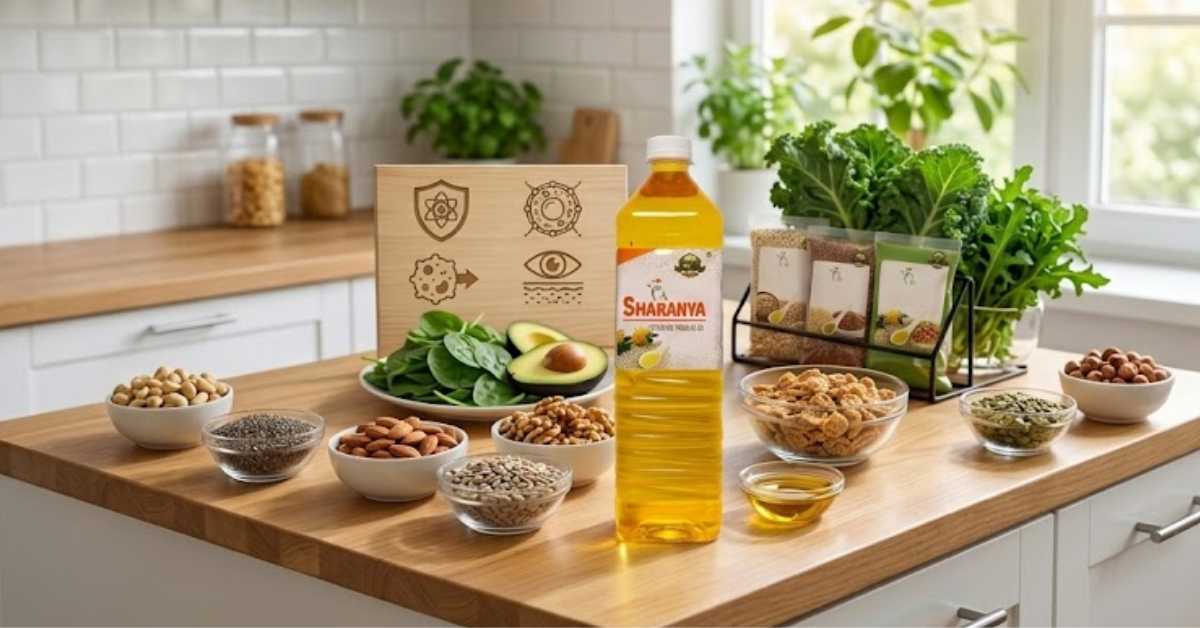
How to Reduce Bad Cholesterol with Everyday Food Swaps: The Role of Safflower Oil in a Heart-Healthy Diet
Heart health has become a growing concern in today’s fast-paced world. Sedentary lifestyles, processed foods, stress, and unhealthy eating habits have contributed to a rise in cholesterol-related health problems. Among these, high LDL (Low-Density Lipoprotein) cholesterol, commonly known as “bad cholesterol,” is one of the leading risk factors for heart disease and stroke.
The good news is that lowering bad cholesterol doesn’t always require drastic lifestyle changes. Simple food swaps in your daily diet can make a significant difference. One such swap is replacing unhealthy cooking fats with heart-friendly oils like Safflower Oil (ಕುಸುಬೆ ಎಣ್ಣೆ).
Known for its light texture, neutral flavor, and impressive nutritional profile, safflower oil has become a popular choice among health-conscious families. By incorporating safflower oil and making other smart dietary changes, you can support healthy cholesterol levels while enjoying delicious meals.
In this article, we’ll explore practical everyday food swaps that can help reduce bad cholesterol naturally and explain why safflower oil deserves a place in your kitchen.
Replace Butter and Ghee with Safflower Oil
While traditional fats like butter and excess ghee can increase saturated fat intake, safflower oil provides a healthier alternative.
Instead of:
- Applying butter on toast
- Using excess ghee in cooking
Consider:
- Cooking vegetables with safflower oil
- Using safflower oil for sautéing
- Making homemade salad dressings
This small change can significantly reduce unhealthy fat consumption.
Use Homemade Salad Dressings with Safflower Oil
Store-bought dressings often contain preservatives, added sugar, and unhealthy fats.
A simple homemade dressing can be made using:
- Safflower oil
- Lemon juice
- Black pepper
- Herbs
This combination enhances the flavor of salads while supporting a heart-healthy diet.
How Safflower Oil Helps Reduce Bad Cholesterol
One of the biggest advantages of safflower oil is its nutritional composition. Unlike traditional cooking fats that are high in saturated fats, safflower oil contains a higher proportion of unsaturated fatty acids. These healthy fats are known to support cardiovascular health and can be a valuable addition to a cholesterol-conscious diet.
When consumed as part of a balanced lifestyle, safflower oil may help maintain healthy cholesterol levels by replacing less healthy sources of fat. Since heart disease remains one of the leading health concerns worldwide, choosing the right cooking oil is an important step toward protecting long-term heart health.
For people looking to make healthier dietary choices, switching to safflower oil is a simple yet effective food swap that fits naturally into everyday cooking.
Top Uses of Safflower Oil in Daily Cooking
One reason safflower oil is becoming increasingly popular is its versatility. Its light texture and neutral taste make it suitable for a wide variety of dishes without overpowering the natural flavors of food.
Cooking Everyday Curries
Safflower oil can be used to prepare traditional Indian curries, including vegetable curries, dal, sambar, and gravies. Since it has a mild flavor, it allows spices and ingredients to shine while adding a smooth texture to the dish.
Whether you’re preparing a simple home-style curry or a festive meal, safflower oil blends perfectly with Indian cooking methods.
Stir-Frying Vegetables
Many health-conscious individuals prefer stir-fried vegetables because they retain nutrients and require less oil. Safflower oil is an excellent choice for stir-frying vegetables such as:
- Carrots
- Beans
- Broccoli
- Capsicum
- Cabbage
- Mushrooms
Its high smoke point makes it suitable for cooking at higher temperatures without affecting the taste of the vegetables.
Making Salad Dressings
Modern healthy diets often include salads as a source of fiber and nutrients. Safflower oil can be used to create homemade salad dressings.
A simple dressing can be made by combining:
- Safflower oil
- Lemon juice
- Black pepper
- Herbs
- Garlic
This dressing adds flavor while supporting healthier eating habits.
Why Safflower Oil Is a Better Everyday Choice
Choosing the right cooking oil is an important part of maintaining a healthy lifestyle, and safflower oil stands out as an excellent option for everyday use. Unlike oils that are high in saturated fats, safflower oil contains a higher proportion of unsaturated fats, making it a heart-friendly choice for regular cooking. Its light texture and neutral flavor allow it to blend seamlessly into a variety of dishes without altering their natural taste. Whether you are preparing traditional Indian curries, stir-fried vegetables, breakfast items, or healthy snacks, safflower oil offers versatility and convenience for daily meal preparation.
Another reason safflower oil is a preferred choice is its high smoke point, which makes it suitable for different cooking methods such as sautéing, roasting, and shallow frying. This stability at higher temperatures helps preserve the quality of the oil while ensuring delicious results in the kitchen. Additionally, safflower oil pairs well with nutrient-rich foods like whole grains, vegetables, legumes, and fruits, making it easier to create balanced and wholesome meals.
For individuals looking to manage their cholesterol levels, safflower oil can be a smart dietary swap when used in place of fats rich in saturated fat. By incorporating safflower oil into a healthy eating pattern that includes plenty of fiber-rich foods and regular physical activity, you can take a positive step toward supporting heart health. Its combination of nutritional benefits, versatility, and suitability for everyday cooking makes safflower oil a valuable addition to modern kitchens and a practical choice for families seeking healthier lifestyle habits.
Safflower Oil and Healthy Cooking
- Helps create healthier versions of traditional recipes.
- Can be used for cooking vegetables without affecting their natural flavor.
- Suitable for preparing light stir-fries and sautéed dishes.
- Works well in homemade soups and stews.
- Ideal for making healthy rice and millet-based recipes.
- Can be used in preparing vegetable pulao and khichdi.
- Suitable for making homemade salad dressings and marinades.
- Helps maintain the texture and taste of cooked foods.
How Safflower Oil Supports a Heart-Healthy Lifestyle
Safflower oil has gained popularity among health-conscious individuals because of its ability to fit seamlessly into a heart-healthy lifestyle. Modern diets often contain excessive amounts of saturated fats from processed foods, fried snacks, and unhealthy cooking ingredients. Replacing these fats with better alternatives is one of the simplest ways to improve overall nutrition. Safflower oil offers a practical solution by providing healthy unsaturated fats that can be incorporated into daily meals without changing traditional cooking habits. Whether used for preparing curries, vegetable dishes, or homemade snacks, it allows families to enjoy their favorite recipes while making a healthier choice.
In addition to its nutritional benefits, safflower oil is known for its light consistency and mild flavor. This makes it suitable for a wide range of cuisines and cooking styles. Unlike some oils that have a strong taste, safflower oil complements the natural flavors of ingredients, helping create balanced and delicious meals. It works well with vegetables, pulses, whole grains, and lean protein sources, making it easier to prepare nutritious dishes that support overall wellness.
Benefits of Using Safflower Oil Daily
- Supports heart-friendly cooking practices.
- Encourages replacing unhealthy fats with healthier alternatives.
- Enhances the natural flavor of foods without being overpowering.
- Suitable for a wide variety of cuisines and recipes.
- Convenient and versatile for everyday kitchen use.
- Can be included in a balanced diet focused on overall wellness.
- Helps make healthy eating simple and sustainable.
- Ideal for families seeking nutritious cooking options.
- Works well with vegetables, pulses, grains, and lean proteins.
Incorporating Safflower Oil into Your Daily Diet
Making healthy eating choices does not have to be complicated, and safflower oil is a great example of a simple ingredient that can make a positive difference. Because of its versatility, it can be used throughout the day in various meals, from breakfast to dinner. It can be added to vegetable stir-fries, used for tempering dals, mixed into homemade salad dressings, or used to prepare traditional Indian recipes. Its adaptability allows people to enjoy healthier cooking without having to learn entirely new recipes or cooking techniques.
One of the key advantages of safflower oil is that it blends well with both traditional and modern diets. Families can use it while preparing rotis, curries, soups, and snacks, ensuring that healthier choices become a natural part of everyday life. Consistency is important when it comes to maintaining good health, and using safflower oil regularly can be one small but meaningful step toward building better dietary habits.
Furthermore, healthy eating is most effective when it becomes a long-term lifestyle rather than a short-term goal. By choosing quality ingredients like safflower oil and combining them with nutrient-rich foods, individuals can create meals that are both satisfying and nourishing. This approach not only supports heart health but also encourages a balanced and sustainable way of eating that can benefit the entire family.
Safflower Oil and Heart-Friendly Eating Habits
A heart-healthy diet is built on consistent, nutritious food choices. Safflower oil complements this approach by pairing well with vegetables, legumes, whole grains, and lean proteins. Its mild flavor allows natural ingredients and spices to stand out, making it suitable for a variety of recipes. When combined with a balanced diet rich in fiber and nutrients, safflower oil can become part of a lifestyle focused on cardiovascular health and overall well-being.
Safflower Oil: A Smart Addition to a Heart-Healthy Diet
A heart-healthy diet focuses on nutrient-rich foods that help support overall wellness. Safflower oil complements this approach because it can be used in a wide variety of recipes without altering the natural taste of ingredients. Whether preparing vegetable curries, dals, stir-fries, or millet-based dishes, safflower oil offers flexibility in the kitchen. Including safflower oil in everyday cooking allows families to enjoy traditional meals while making choices that align with healthier eating habits. For those looking to reduce bad cholesterol naturally, selecting the right cooking oil is an important step toward achieving long-term health goals.
Everyday Uses of Safflower Oil for Healthier Cooking
One of the greatest advantages of safflower oil is its versatility. It can be used throughout the day in different meals, making it easy to include in a cholesterol-conscious diet. From preparing breakfast dishes like poha and upma to cooking vegetable curries and evening snacks, safflower oil adapts to a variety of cooking styles. It is also suitable for roasting vegetables, preparing homemade salad dressings, and cooking whole-grain recipes. Because safflower oil blends well with Indian spices and ingredients, it can become a regular part of healthy meal preparation without requiring major dietary changes.
How Safflower Oil Can Help Support Healthy Cholesterol Levels
- Safflower oil is a popular choice for individuals following a heart-conscious diet.
- Contains healthy unsaturated fats that can be part of a balanced eating plan.
- Can be used daily in cooking without changing the taste of traditional recipes.
- Suitable for preparing curries, dals, stir-fries, and vegetable dishes.
- Works well with cholesterol-friendly foods such as oats, vegetables, and whole grains.
- Can be included in meals focused on reducing bad cholesterol.
- A versatile cooking oil for breakfast, lunch, dinner, and snacks.
- Blends easily with Indian spices and ingredients.
- Supports healthier cooking habits when used as part of a balanced diet.
- Can be used for sautéing, roasting, grilling, and shallow frying.
- Complements fiber-rich foods that support heart health.
Benefits of Including Safflower Oil in Your Diet
- Supports heart-friendly cooking practices.
- Can be part of a diet aimed at managing bad cholesterol.
- Suitable for preparing balanced and nutritious meals.
- Helps maintain the natural flavor of foods.
- Works well with fruits, vegetables, and whole grains.
- Encourages healthier food choices without sacrificing taste.
- Ideal for health-conscious families.
- Can be used in a variety of Indian and international dishes.
The Role of Safflower Oil in a Balanced Lifestyle
A balanced lifestyle involves making informed choices about the foods consumed every day. Safflower oil can be one of those choices, providing versatility and convenience for modern kitchens. Its ability to pair well with nutritious ingredients makes it suitable for meal plans focused on reducing bad cholesterol and improving overall health. Whether used for preparing traditional recipes or experimenting with new healthy dishes, safflower oil can support a lifestyle centered on wellness, nutrition, and long-term heart health.


